
What Spartanburg Homeowners Should Look for After High Winds

Storms are a regular part of life in Spartanburg, and even moderate wind events can cause damage that is not immediately obvious. Many roofing issues start small, especially after high winds, and worsen over time if they are not identified early.
Knowing what to look for after a storm can help you catch problems before they turn into leaks, structural damage, or costly repairs. When concerns come up, working with a trusted Spartanburg roofing company ensures the issue is properly evaluated and addressed.
What Wind Damage Actually Looks Like on a Roof
Wind damage does not always mean missing shingles scattered across your yard. In many cases, the damage is more subtle and affects how your roof performs over time.
Common roof damage signs include:
- Shingles that have shifted out of alignment
- Edges that appear lifted or no longer sealed
- Sections of the roof that look uneven or inconsistent
Wind works by getting underneath roofing materials and breaking the seal that holds them in place. Once that seal is compromised, the shingles become more vulnerable to future storms and water intrusion.
Common Signs of Wind-Damaged Shingles
Shingles are the first line of defense against the elements, which makes them especially susceptible to wind damage.
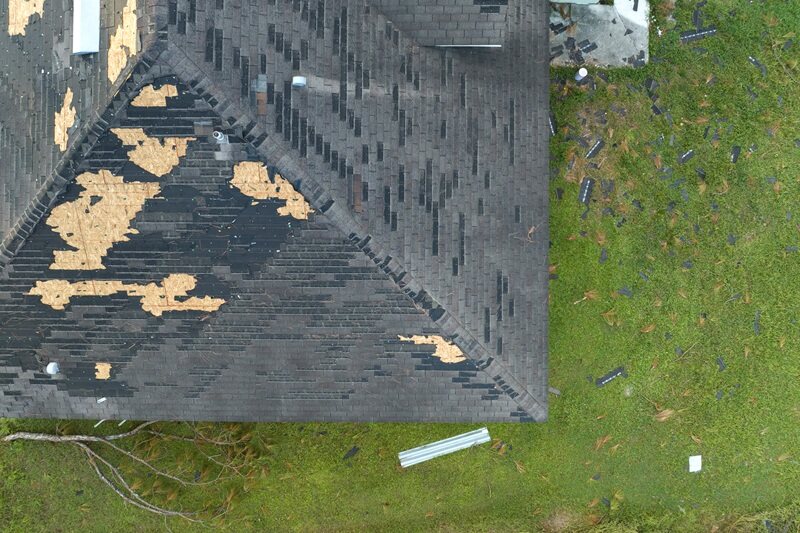
Look for these common indicators of wind damage shingles:
- Creased shingles: A visible horizontal line where the shingle has bent under pressure
- Lifted or curled edges: Shingles that no longer sit flat against the roof
- Missing shingles: Areas where wind has completely removed sections
- Granule loss: Excessive granules collecting in gutters or near downspouts
These issues may seem minor at first, but they weaken the overall roofing system and increase the likelihood of future damage.
Less Obvious Signs of Wind Damage Homeowners Miss
Not all damage is visible from the ground. In many cases, wind creates problems that develop slowly over time.
If you are trying to understand how to spot wind damage on a roof, pay attention to:
- Subtle lifting that is only visible up close
- Shingles that feel loose when inspected
- Areas where seals have broken without obvious displacement
- Interior signs like minor ceiling stains or attic moisture
These less obvious issues are often the ones that lead to delayed leaks and more expensive roof repairs if they are not caught early.
What to Do After You Suspect Wind Damage
If you notice any of these signs after a storm, the next step is to confirm the extent of the damage. Wind-related issues are not always visible without a closer inspection.
Having your roof evaluated by a qualified roofing contractor helps identify both visible and hidden damage. This step is especially important after strong wind events, where problems may not appear immediately but can worsen over time.
When Wind Damage Turns Into a Bigger Problem
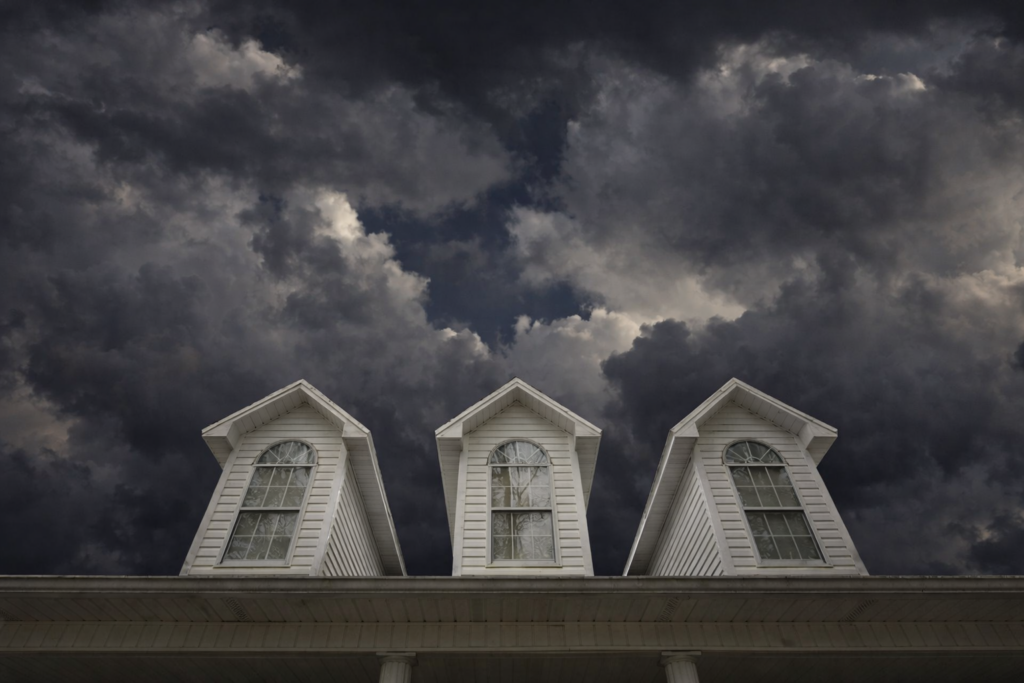
Once shingles are lifted or seals are broken, your roof becomes more vulnerable to water intrusion and additional wear.
In Spartanburg, storm activity can compound these issues quickly. A roof that has already been weakened is far more likely to experience further damage during the next storm.
What starts as minor wind damage can lead to:
- Leaks that develop days or weeks later
- Damage to underlayment and decking
- Increased risk of mold or moisture issues
Addressing storm damage roof issues early helps prevent a small problem from turning into a larger and more expensive repair.
How Wind Damage Affects Insurance Claims
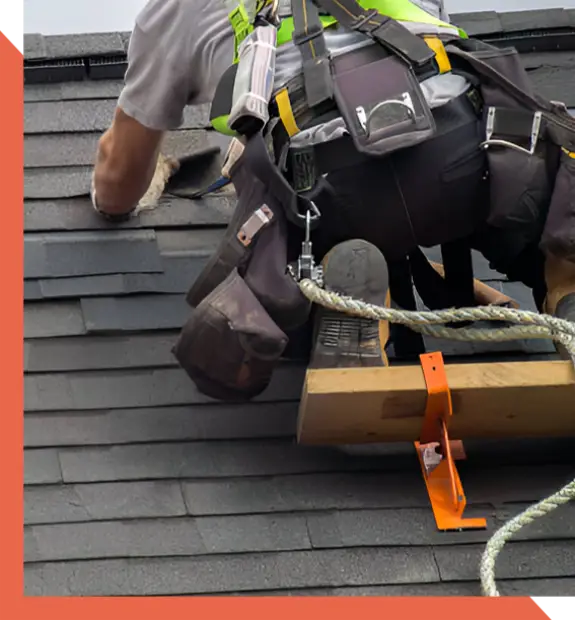
Wind damage is one of the most common reasons homeowners file roofing-related insurance claims. However, the success of a claim often depends on how quickly the damage is identified and documented.
If you are dealing with potential wind damage:
- Schedule a professional inspection as soon as possible
- Take photos of visible damage if it is safe to do so
- Keep records of when the storm occurred and when damage was noticed
Many policies cover roof wind damage, but delays can make claims more difficult to validate. A proper storm damage roof inspection provides the documentation needed to support the process and helps ensure that any covered repairs are addressed.
When to Repair vs Replace a Wind-Damaged Roof
Not all wind damage requires a full roof replacement. In many cases, localized issues can be resolved with targeted repairs.
For example, isolated damage can often be handled with professional roof repair, especially when the rest of the roof is still in good condition. However, if the damage is widespread or the roof is already aging, replacement may be the more reliable long-term solution.
Depending on the damage, having a new roof installed could be the best option to protect your home and combat against future storm damage.
Frequently Asked Questions About Wind Damage Repair
How do I know if my roof has wind damage after a storm?
Wind damage is not always obvious. Look for missing or lifted shingles, creases, or granule loss. Less visible issues, like broken seals or loose shingles, may require a closer inspection to identify.
How soon should I have my roof inspected?
You should schedule an inspection as soon as possible after a significant storm. Even if there are no visible issues, early evaluation helps catch hidden damage before it leads to leaks or more extensive repairs.
Does homeowners insurance cover wind damage to a roof?
In many cases, homeowners insurance covers wind damage. Coverage depends on your specific policy and how quickly the damage is reported. Proper documentation and a professional inspection can help support your claim.
How do I choose the right contractor for wind damage repair?
Choosing the right contractor starts with working with a local company that understands storm-related damage and building requirements in Spartanburg. Look for experience with inspections, repairs, and insurance-related work, and make sure they provide clear documentation of any damage.
Can a newer roof still get wind damage?
Yes. Even newer roofs can suffer wind damage. Strong winds can lift shingles, break adhesive seals, or loosen materials without obvious signs, leaving the roof more vulnerable to future leaks and damage. Even though older roofs are more susceptible to wind damage, inspecting your roof after any significant storm is best practice for longevity.
How do I know if wind damage requires repair or full replacement?
It depends on the extent of the damage and the age of your roof. Minor issues can often be repaired, while widespread damage or older roofing systems may require replacement to ensure long-term performance.
Protecting Your Roof After a Storm

After a storm passes, what you do next matters. Wind damage is not always obvious right away, but that does not mean your roof is unaffected. Small issues can sit unnoticed and develop into leaks or structural problems days or weeks later.
Taking a proactive approach means paying attention to changes, watching for early warning signs, and acting before damage spreads. In South Carolina, where storms and humidity place ongoing stress on roofing systems, waiting often leads to more extensive and costly repairs.
A timely inspection provides clarity on the condition of your roof and helps prevent minor damage from turning into a larger problem. Addressing issues early protects the integrity of your home and ensures your roof continues to perform the way it should.