An aging commercial roof puts building owners in a familiar bind. It is not failing badly enough to justify the capital expense of a full tear-off, but it is not performing well enough to ignore either. Every year you wait, the roof keeps losing ground, and the eventual repair bill keeps climbing.
Cox Bros. Roofing installs commercial roof restoration and coating systems for building owners throughout Upstate South Carolina. For the right roof, a coating system can restore waterproofing, extend its service life by a decade or more, and avoid the cost and disruption of a full tear-off. Schedule an inspection, and we will tell you honestly whether your roof qualifies.
Veteran Owned. Built to Last.
Roofing built for your needs.
Roofing You Can Count On
From minor repairs to complete roof replacements, Cox Bros. delivers dependable roofing solutions backed by experienced craftsmanship and honest service.
Why Roof Coatings Make Sense for Upstate Commercial Buildings
Commercial roofs across the Upstate deal with prolonged summer heat, UV exposure, heavy rain, humidity, and frequent temperature swings. Large low-slope roofs on warehouses, manufacturing facilities, retail buildings, and other commercial properties can take that exposure year after year without showing an obvious failure from the ground.
A restoration system gives building owners another option when the membrane is aging, but the insulation and deck underneath are still in serviceable condition. Instead of waiting for deterioration to reach the point where a tear-off is unavoidable, restoration can extend the existing roof’s service life while keeping the building in operation.
What a Roof Coating System Actually Does
A roof coating is a fluid-applied, seamless membrane sprayed or rolled directly onto your existing roof surface. Once cured, it forms a flexible, waterproof layer that seals seams, minor cracks, and vulnerable flashing points across the entire roof at once. Unlike a patch repair that addresses one problem area, a coating system treats the whole roof surface as a unified system.
The coating also changes how the roof performs day to day. Reflective coatings, particularly white silicone and acrylic formulations, can push a dark roof’s solar reflectance from around 0.10 up to 0.80 or higher, which drops surface temperatures by 50 to 60 degrees on a hot summer afternoon. That difference translates directly into lower cooling costs for the building underneath.
Roof Restoration vs Replacement: When Coating Makes Sense
Not every commercial roof qualifies for roof restoration and coating. We run a moisture survey before recommending a coating because applying one over significant wet insulation can trap moisture and contribute to further deterioration. If too much of the existing roof system is already compromised, replacement is typically the better option.
Beyond the moisture survey, several conditions help determine whether a commercial roof is a good candidate for restoration:
- Limited, repairable areas of active leakage
- No significant trapped moisture within the existing roof system
- Drainage that can be corrected or adequately managed
- Repairable seams, flashing, and penetrations
- No widespread blistering, delamination, or structural deterioration
A roof that meets these conditions may still have years of usable life beneath an aging surface. Restoration is designed to preserve that existing roof system rather than tearing it off prematurely.
Roof age alone does not disqualify a building from restoration. Two roofs installed the same year can be in very different shape depending on drainage design, foot traffic, previous repairs, and how consistently they were maintained. That is why the condition of the existing roof system, not simply its installation date, drives our recommendation.
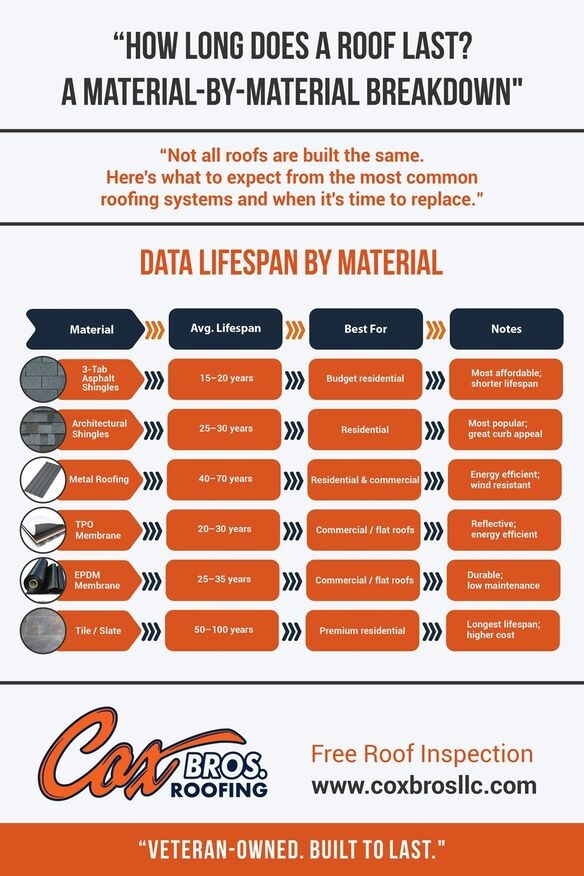
Roof Coating Systems for Commercial Buildings: Comparing the Options
Three main coating chemistries cover most roof coating systems for commercial buildings, and the right one depends on your roof’s drainage, exposure, and how long you plan to hold the building.
Acrylic Coatings
Acrylic is the most affordable option and performs well on roofs with good drainage. It reflects UV effectively and typically lasts 10 to 15 years before recoating. Acrylic is not the right choice for roofs with regular ponding water, since standing moisture degrades the coating faster than intended.
Silicone Coatings
Silicone costs more upfront, but it is the standard choice for roofs that see ponding water regularly. Silicone actually cures in the presence of moisture rather than degrading from it, and a properly applied system can hold its reflectivity and flexibility for 15 to 20 years.
Polyurethane and Foam-Based Systems
Polyurethane and spray polyurethane foam systems add insulating value on top of waterproofing, which makes them a strong fit for buildings looking to improve energy performance alongside roof longevity. These systems generally cost more than acrylic or silicone alone but can offset that cost through reduced heating and cooling loads over the life of the roof.
Manufacturer-Backed Roof Restoration Systems We Install
Cox Bros. Roofing is a certified installer for Sika, Soprema, Elevate, Duro-Last, Versico, and Carlisle, manufacturers that offer commercial roof restoration and coating systems for a range of existing roof types. Working within these manufacturer programs helps ensure that the coating system, preparation, application, and warranty requirements are matched to the specific roof.
Application thickness is an important part of that process. Manufacturer requirements vary by product and warranty program, and the specified amount of coating must be applied for the finished system to perform as intended and qualify for the applicable warranty. We measure and document coating thickness during installation so the completed roof meets the requirements of the system being installed.
The result is a restoration system selected for the building and installed according to the manufacturer’s specifications, rather than a one-size-fits-all coating applied to every commercial roof.
Roof Restoration Cost Compared to Full Replacement
For a commercial roof that qualifies, restoration can cost considerably less than a full tear-off and replacement. Instead of removing the existing roof system and paying for disposal, new materials, and the labor involved in rebuilding it, restoration preserves the usable components already in place and applies a new protective system over the prepared surface.
The actual cost depends on the size and condition of the roof, the amount of preparation and repair required, the coating system selected, and the application requirements for that system. A roof with extensive wet insulation or other underlying damage will require more corrective work before restoration can begin.
For building owners and facility managers, the lower project scope can also make restoration easier to incorporate into a maintenance or capital improvement budget. We inspect the existing roof first and compare the viable restoration and replacement options so you can evaluate the cost alongside the expected service life of each approach.
Commercial Roof Restoration and Building Downtime
For facility managers, disruption to daily operations is often a bigger concern than the invoice total. A full tear-off means exposed decking, scheduling around weather windows, and a real risk of business interruption for a warehouse, retail space, or manufacturing floor. Commercial roof restoration is applied directly over the prepared existing surface, allowing many Greenville commercial properties to extend the life of an existing roof without the disruption of a full replacement. There is no tear-off or exposed decking, and work can typically continue inside the building while the restoration is underway.
Our Commercial Roof Restoration Process
Every restoration project follows the same sequence, regardless of building size:
- A moisture survey and core sample inspection to confirm the roof qualifies for coating rather than replacement
- Repair of any active leaks, seam separation, or flashing issues identified during inspection
- Power washing to remove dirt, biological growth, and contaminants that would prevent proper adhesion
- Primer application where the substrate requires it
- Coating application at the mil thickness required for the selected system and warranty
- A final quality inspection, including mil thickness verification and photo documentation
Cox Bros. Roofing is based in the Spartanburg area, where our team provides commercial roofing services for businesses while also serving properties throughout Upstate South Carolina. That regional reach allows us to handle restoration projects for commercial facilities from Greenville to Anderson and the surrounding Upstate without relying on crews traveling in from outside the area.
Benefits of Commercial Roof Coatings in Upstate South Carolina
Reflective roof coatings can reduce the amount of solar heat absorbed by a commercial roof, helping lower roof surface temperatures and reduce cooling demand during hot weather. The U.S. Department of Energy notes that the actual energy savings from a cool roof depend on factors such as climate, insulation, roof construction, and HVAC efficiency.
Roof coatings can also extend the service life of an existing roof without adding another complete roofing system or sending usable material to a landfill. When the coating eventually reaches the end of its service life, a roof that remains in suitable condition may qualify for another coating application rather than immediate replacement.
For building owners, that creates the potential for a longer roof lifecycle built around inspection, maintenance, and planned restoration. Instead of treating replacement as the only option when the roof surface begins to age, periodic evaluations can help determine whether the existing system can continue to be maintained and restored.
Maintaining a Coated Roof After Installation
A coating system does not replace a commercial roofing maintenance schedule. Drains still clog, rooftop equipment work can damage the surface, and sealants around penetrations continue to age. Regular inspections help catch these issues while they are still easier and less costly to address, before they develop into active leaks or damage the underlying roof system.
Maintenance and documentation can also be important for preserving manufacturer warranty coverage. Requirements vary by coating system and warranty, so building owners should understand what inspections or maintenance records are required. For roofs we coat and maintain, Cox Bros. Roofing provides written condition reports and photographs to create a record of the roof’s condition over time.
Roof restoration is not the right answer for every commercial building. Extensive wet insulation, structural damage, or years of deferred maintenance may make full replacement the better investment. But when the underlying roof system remains in serviceable condition, restoration can extend its useful life without the cost and disruption of tearing off a roof that still has value.
For building owners and facility managers across Upstate South Carolina, the first step is determining which condition your roof is actually in. Schedule a commercial roof inspection and moisture survey with Cox Bros. Roofing to find out whether restoration is a practical option for your building.