Most facility managers and commercial property owners understand that roof inspections are important. The harder question is how often they should actually happen. Is one inspection a year enough? Should they be scheduled every season? Does the answer change after a major storm or as the roof gets older?
The reality is that there is no single inspection schedule that fits every commercial roof. The right frequency depends on the roofing system, its age, how much rooftop traffic it sees, local weather conditions, and whether the building has experienced recent storm damage. Waiting until a leak appears almost always means the inspection is happening too late.
This guide explains how often commercial roofs should be inspected, what those inspections should include, and the situations that call for additional evaluations beyond a standard maintenance schedule.
Why Commercial Roofs Need Specialized Inspections
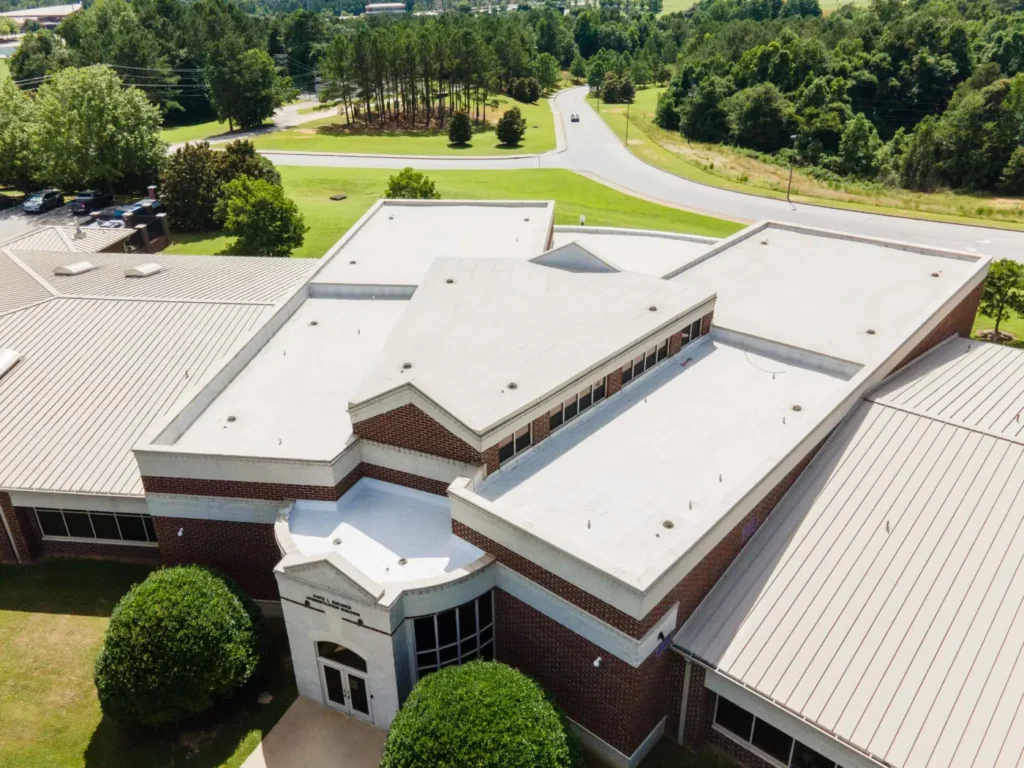
Many commercial buildings use a low-slope or flat roofing system. Each roofing material has its own maintenance needs, common failure points, and inspection priorities, making a one-size-fits-all approach ineffective.
- TPO and PVC membranes are heat-welded at the seams. The field membrane itself often holds up well, but the seams are where separation typically starts, and it is not always visible from a walking inspection alone.
- EPDM relies on adhesive-bonded seams and cover strips. These can lose adhesion at the edges years before the rubber membrane shows any wear.
- Metal roofing systems present a different issue. A metal roof inspection on a commercial building focuses less on the panels themselves and more on fastener backout, sealant failure at penetrations, and rust starting at cut edges or fastener heads.
- Flat and low-slope systems carry their own risk profile, mainly around drainage, since they depend on engineered fall to move water off the surface.
A residential roof sheds water by design, where gravity does most of the work. A commercial roof has to be told where the water goes, through internal drains, scuppers, and tapered insulation. When any part of that drainage path fails, the roof does not shed the problem. It holds onto it.
How Often a Commercial Roof Inspection Should Happen
The National Roofing Contractors Association recommends scheduling a commercial roof inspection at least twice a year, once in spring and once in fall, timed around the two seasons that do the most damage to a commercial roof system.
- Spring inspection: assesses what winter did to the roof, freeze-thaw stress on seams, ice-related flashing movement, and debris built up over colder months.
- Fall inspection: clears drains and gutters ahead of the wet season and checks that flashing and penetrations are sealed before temperatures drop again.
That twice-a-year baseline is the floor, not the ceiling. An inspection should also be scheduled after any hailstorm, high-wind event, or heavy downpour. Even if nothing looks obviously wrong from the ground. Hail damage on a membrane roof often shows up as small bruising or granule loss that a facility manager would not think to look for. That damage can go unnoticed for months until it turns into a soft spot or a leak.
Buildings with rooftop HVAC units, heavy foot traffic from other trades, or a membrane older than fifteen years benefit from a tighter schedule, often quarterly.
What a Commercial Roof Inspection Catches Early
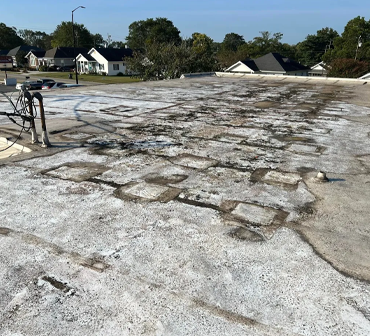
The value of a scheduled roof inspection is catching problems before they become a disruption to the business operating underneath.
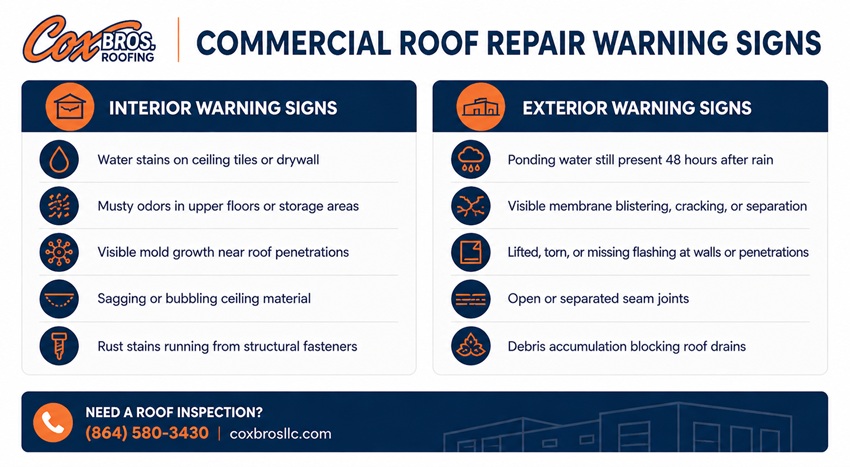
Ponding water is one of the clearest examples. The roofing industry standard, referencing ASTM D1079, generally defines ponding as water that remains on a roof surface longer than 48 hours under conditions conducive to drying. A small amount of standing water after a storm is normal. Water still sitting two days later usually points to a drainage problem, a low spot in the deck, or a slope that was never quite right to begin with. Left alone, that standing water works on the membrane and its seams every hour it sits there.
A trained eye during a flat roof inspection is also looking for things a facility manager may not know to check:
- Seam integrity at T-joints and penetrations, where heat-welded and adhered seams see the most stress
- Flashing at parapet walls, HVAC curbs, and roof-to-wall transitions, where the majority of commercial roof leaks actually originate
- Membrane fastening patterns around drains, since a shifted fastener can create a slow leak path long before any surface damage appears
- Signs of foot traffic damage from other trades accessing rooftop equipment without protective boards
The field membrane of a TPO or EPDM roof is rarely the first to fail. It is almost always the details, seams, flashing, curbs, or penetrations that give out first. Twenty years of usable TPO roof lifespan left on the field membrane can still develop a serious leak in year eight if a single flashing detail was never caught during a routine check. This is exactly why commercial roof leak detection works best as an ongoing habit rather than a one-time inspection after something has already gone wrong. Catching a lifted flashing detail during a scheduled visit is a five-minute repair. Catching it after it has soaked insulation for a season is a different scope of work entirely.
Checks covered under a maintenance program are built around consistent visits rather than reactive calls.
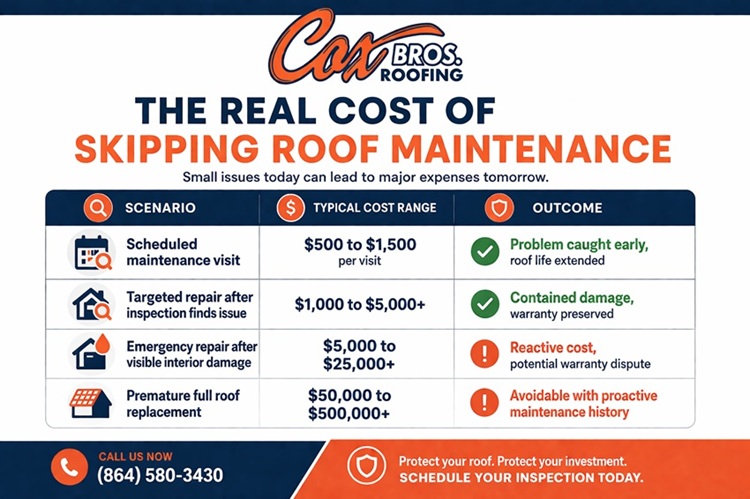
Why a Documented History Protects Insurance and Warranties
Many roofing warranties include a maintenance requirement, and it is often buried well past the headline coverage terms. Without documented, dated inspection records, manufacturers can argue that a claim resulted from neglect rather than a material defect. A lack of history can leave a building owner covering a repair that should have been covered under warranty.
Insurance carriers take a similar view after storm damage. A claims adjuster reviewing hail or wind damage will want to know the roof’s condition before the event. A facility with a documented inspection from the prior season has a clear before-and-after comparison. Owners and managers with no commercial service history are asking the adjuster to take their word for it. This rarely works in their favor.
Facility managers should keep every inspection report, photo set, and repair invoice in a single file per building. Not scattered across email threads or filed by whoever happened to handle the visit. When a claim or warranty comes up later, that single file settles it quickly instead of turning into a drawn-out dispute.
The Best Inspection Schedule Is the One You Actually Follow
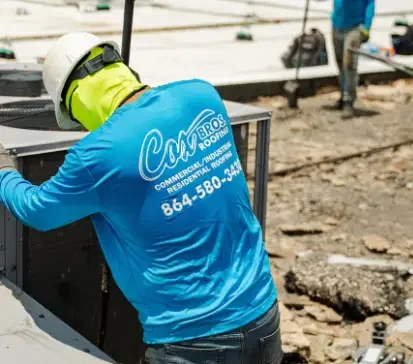
There is no universal inspection schedule that fits every commercial roof. A newer office building with limited rooftop traffic may do well with the standard twice-yearly inspections, while an older warehouse or manufacturing facility may benefit from quarterly visits and additional inspections after major storms.
The important part is consistency. A maintenance schedule only works when inspections happen before problems develop into leaks, not after. Regular inspections create a documented history of your roof’s condition, make repairs easier to plan, and help protect both warranty coverage and long-term budgets.
Waiting until water reaches the interior almost always means the roof has been signaling for attention for months. A consistent inspection schedule gives you the opportunity to address those warning signs while they are still small, extending the life of the roof and reducing the likelihood of unexpected disruptions to your business.
If your commercial roof has not been professionally inspected within the past year, now is a good time to schedule one. Cox Bros Roofing provides commercial roof inspections and maintenance programs for businesses throughout the Upstate. Whether you need a commercial roof inspection in Greenville, Spartanburg, Anderson, or anywhere else in the Upstate, our team can evaluate your roof, document its condition, and recommend an inspection schedule that fits your building and roofing system.