South Carolina homeowners have plenty to consider when replacing a roof. Summer heat, humidity, heavy rain, and seasonal storms can all affect how a roofing system performs over time. The material you choose can also influence upfront costs, maintenance needs, appearance, and how often you will need to replace the roof.
For many homeowners, the decision comes down to two common options: asphalt shingles and metal roofing.
There is no single roofing material that makes sense for every house. Asphalt shingles can offer a practical combination of cost, appearance, and performance, while metal roofing can provide a longer service life and strong resistance to demanding weather conditions. Cox Bros Roofing installs both asphalt shingles and metal roofing and helps homeowners compare roofing systems based on their property, budget, and long-term plans.
So, when comparing metal roofing vs. shingles, what should South Carolina homeowners know?
How South Carolina Weather Affects Your Roofing Choice
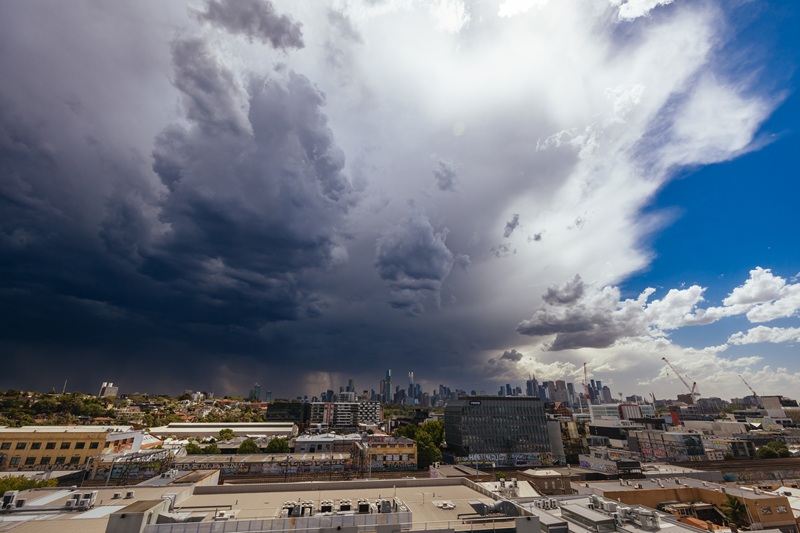
Roofing materials in South Carolina have to deal with more than occasional rain. Upstate properties experience hot summers, humidity, heavy seasonal storms, and periods of high wind. Those conditions can accelerate wear on an aging roof and make proper installation and maintenance especially important.
That does not automatically make one material the right choice for every home. Roof design, ventilation, installation quality, existing decking, budget, and the homeowner’s long-term plans all play a role.
Asphalt Shingles: Pros and Cons
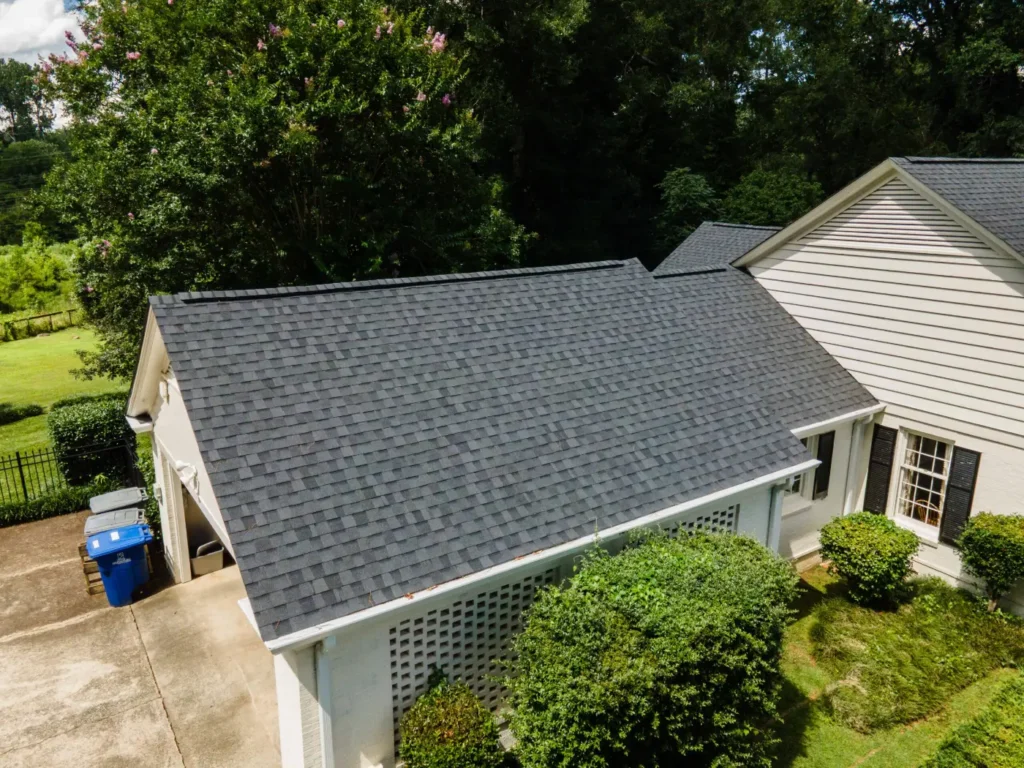
Asphalt shingles remain one of the most common roofing choices for South Carolina homes. They are available in different styles and colors, making them relatively easy to coordinate with a home’s exterior.
Pros of Asphalt Shingles
- Lower upfront cost: One of the biggest reasons homeowners choose asphalt shingles is their relatively accessible initial cost compared with premium roofing materials. For homeowners working within a specific replacement budget, shingles can make a new roof more attainable.
- Wide range of styles: Architectural shingles are available in numerous colors and profiles. That gives homeowners flexibility when matching a roof to brick, siding, stone, or other exterior materials.
- Straightforward repairs: Individual damaged or missing shingles can often be addressed without replacing the entire roof. After a storm, for example, a roofing inspection can determine whether the damage is localized or whether the roof has reached the point where replacement makes more sense.
- Familiar installation and maintenance: Because asphalt shingles are so widely used, they are a familiar system for many roofing contractors and homeowners. Regular inspections can help identify problems such as missing shingles, curling materials, or excessive granule loss before damage spreads.
Cons of Asphalt Shingles
- Shorter service life than many metal systems: Asphalt shingles generally do not provide the same potential service life as a properly installed metal roof. The actual lifespan depends on the shingle type, installation, ventilation, maintenance, weather exposure, and other conditions.
- More vulnerable to certain forms of storm damage: High winds can loosen or remove shingles, particularly when a roof is already aging or has installation problems. Heavy storms can also cause impact damage or expose weaknesses around flashing, valleys, vents, and other roof components.
- More frequent replacement: Because asphalt shingles generally have a shorter service life than metal roofing, homeowners planning to remain in the same property for decades may eventually face another replacement sooner than they would with a long-lasting metal system.
Metal Roofing: Pros and Cons
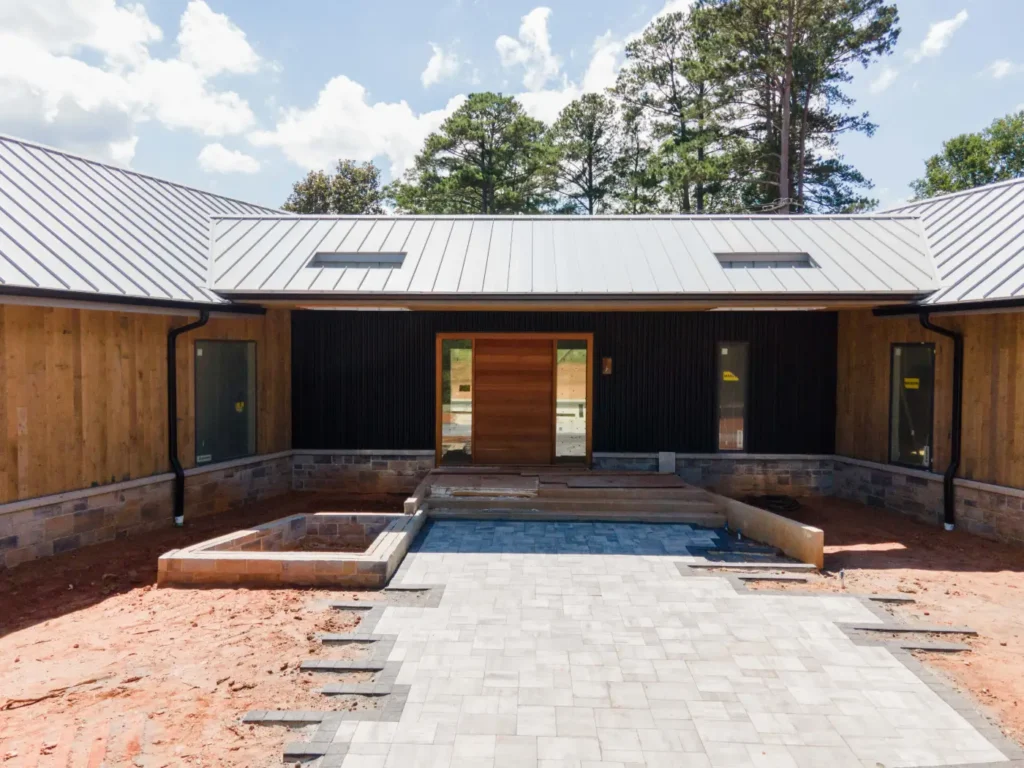
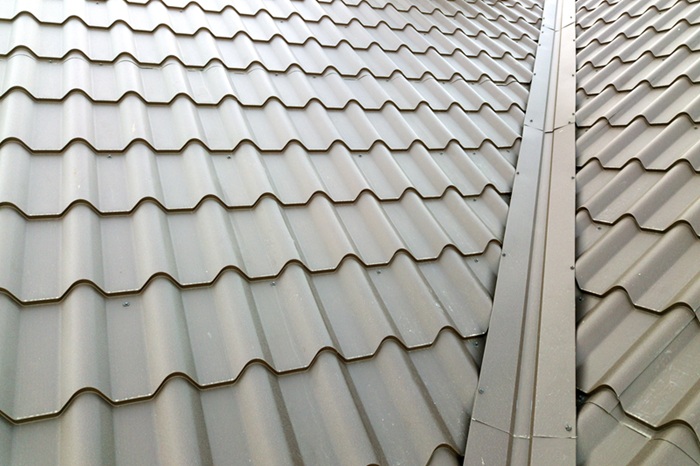
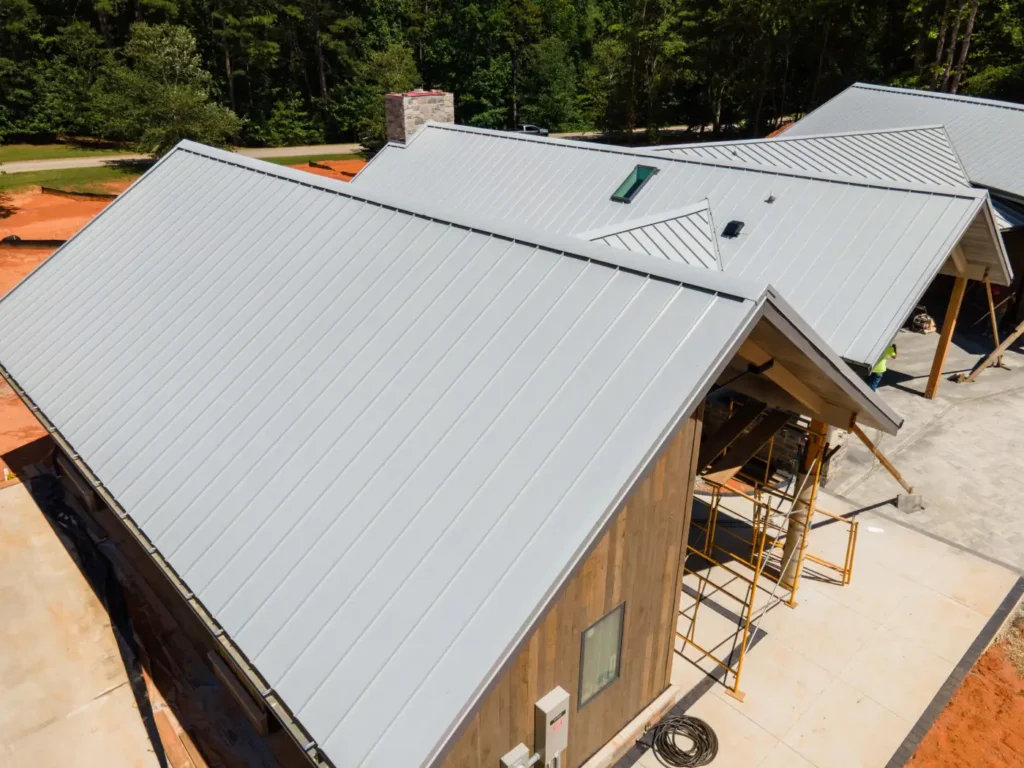
Metal roofing is a premium roofing option that has become increasingly attractive to homeowners looking for durability and long-term performance. It can perform well against wind, heat, rain, and other demanding weather conditions. Depending on the roofing system and finish, some metal roofs can also reflect solar heat, which may help reduce heat absorption during warmer months.
Pros of Metal Roofing
- Long service life: One of the biggest advantages of metal roofing is its longevity. Depending on the type of metal, installation, environmental conditions, and maintenance, a metal roof can often last 40 to 50 years or more. That longer service life can be particularly valuable for homeowners who plan to stay in their homes for many years. While metal roofing typically requires a higher initial investment than asphalt shingles, its extended lifespan may reduce the frequency of major roof replacements over the life of the home.
- Strong weather performance: Metal roofing can perform well in demanding weather conditions, including high winds and heavy rain, when the appropriate system is correctly installed. Proper fastening is particularly important in areas that experience high-wind conditions.
- Potential energy-efficiency benefits: A metal roof’s energy performance depends on factors such as its finish, color, solar reflectance, insulation, and the home’s overall construction. Certain reflective roofing products can reduce the amount of solar heat absorbed by a roof. The U.S. Department of Energy notes that roof color, solar reflectance, thermal emittance, insulation, climate, and HVAC efficiency all affect the potential energy savings associated with a cool roof. This means that simply choosing “metal” does not automatically guarantee lower energy bills. The specific roofing system matters.
- Long-term value: Although metal roofing typically costs more initially, its longer service life can change the calculation for homeowners who expect to remain in their property long term. The higher upfront cost may make sense for homeowners who plan to stay in their homes for many years.
Cons of Metal Roofing
- Higher initial cost: The biggest drawback for many homeowners is the upfront investment. Metal roofing generally costs more than asphalt shingles, although the difference varies based on the metal type, roof design, installation requirements, and other project factors. Homeowners should compare the initial price with the expected service life rather than looking only at the first invoice.
- Repairs can require specialized knowledge: Metal roofing systems have different fastening, flashing, panel, and repair requirements than asphalt shingles. Damage should be evaluated carefully so repairs do not create additional problems with the roofing system.
- Appearance is not right for every home: Metal roofing comes in a variety of styles and finishes, but some homeowners prefer the traditional appearance of asphalt shingles. Neighborhood aesthetics, architectural style, and personal preference can all influence the decision.
Is a Metal Roof a Good Fit for South Carolina Homes?
South Carolina’s climate puts roofing materials through a demanding mix of heat, humidity, heavy rain, and severe storms. For homeowners considering metal roofing, the decision should account for how the system performs under those conditions.
A few local factors are particularly important:
- Heavy rainfall: Properly installed metal panels shed water efficiently, but flashing, valleys, penetrations, and drainage still require careful installation.
- Heat and sun exposure: Reflective finishes can help reduce the amount of solar heat absorbed by the roof surface.
- High winds: Metal systems can provide strong wind performance when the panels, fasteners, edges, and underlying structure are designed and installed correctly.
- Trees and debris: Homes surrounded by mature trees may need more frequent roof and gutter checks, regardless of roofing material.
- Humidity and moisture: Proper ventilation and moisture management remain important beneath the roofing system.
The material itself is only part of the equation. A metal roof’s performance depends heavily on the roof design, installation quality, flashing, ventilation, and condition of the underlying structure.
Choose a Roofing System Based on Your Home
Choosing between metal roofing and asphalt shingles ultimately comes down to the home itself. Roof design, existing decking, ventilation, surrounding trees, weather exposure, and budget can all influence which system makes sense.
That is why the decision should start with the condition of the existing roof rather than the roofing material alone. An inspection can identify structural concerns, storm damage, drainage problems, or other issues that may affect the available options.
If your roof is nearing the end of its service life or has sustained damage, Cox Bros Roofing can evaluate its condition and explain your repair or replacement options. Our team installs both metal and asphalt roofing systems, allowing homeowners to compare the choices based on the property rather than a one-size-fits-all recommendation.
Ready To Compare Your Options?
Schedule an inspection with Cox Bros Roofing to get started.
Contact Us