Scorching South Carolina summers do not give roofs any breaks. Between the heat and the humidity, your attic takes a beating from June through September. If your roof is not properly ventilated, the damage builds quietly, and by the time you notice it, the roof repairs are significant. At Cox Bros. Roofing, we see the results of roof ventilation problems on a regular basis, and most of them were preventable.
This post covers what roof ventilation in South Carolina actually does, why it matters more here than in drier parts of the country, and what signs point to a system that is not doing its job.
What Roof Ventilation Actually Does
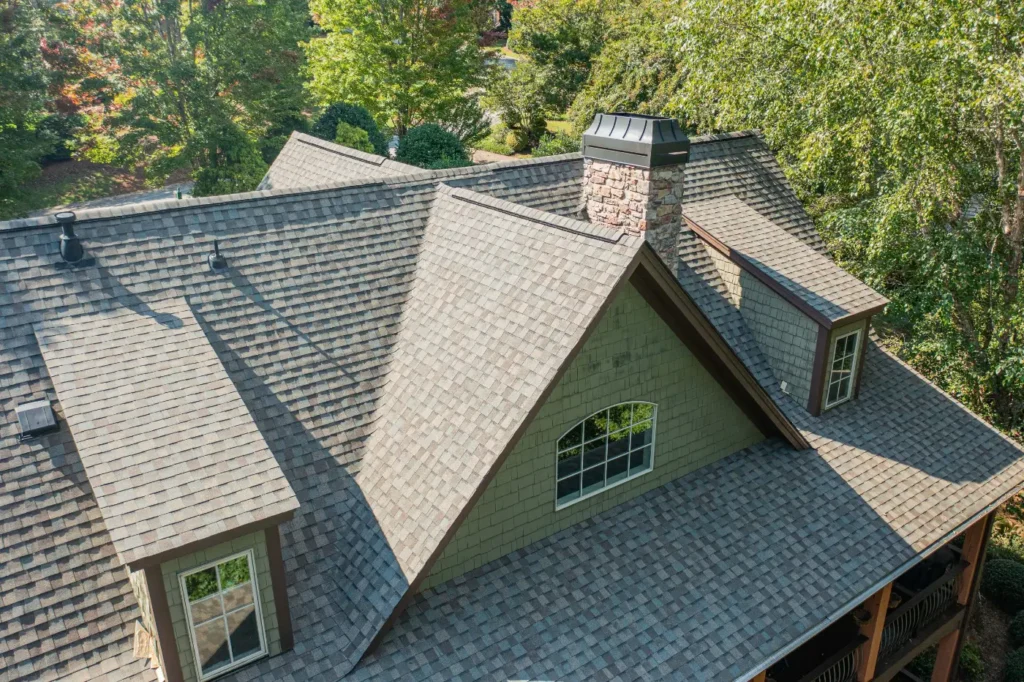
Roof ventilation is a system of intake and exhaust that moves air continuously through the attic space. Cool, dry air enters through soffit vents low on the roofline. Hot, moist air exits through ridge vents or other exhaust points near the peak. When this system is working correctly, the attic stays close to the outside air temperature and moisture levels stay in check.
When the system is blocked, undersized, or missing entirely, that air movement stops. Heat accumulates, and moisture has nowhere to go. The roof deck, the insulation, and the shingles above all absorb the consequences.
The balance between intake and exhaust is what makes the system work. Too much exhaust with too little intake and the system pulls conditioned air from the living space below, which drives up energy costs. The right setup accounts for both sides.
What the Heat and Humidity Here Actually Do to a Roof
South Carolina sits in a humid subtropical climate zone. Average relative humidity statewide runs between 69 and 73 percent year-round, and summer dew points along the Upstate often push into the mid-to-upper 60s. That moisture is constantly looking for somewhere to go, and an attic without proper airflow gives it a destination.
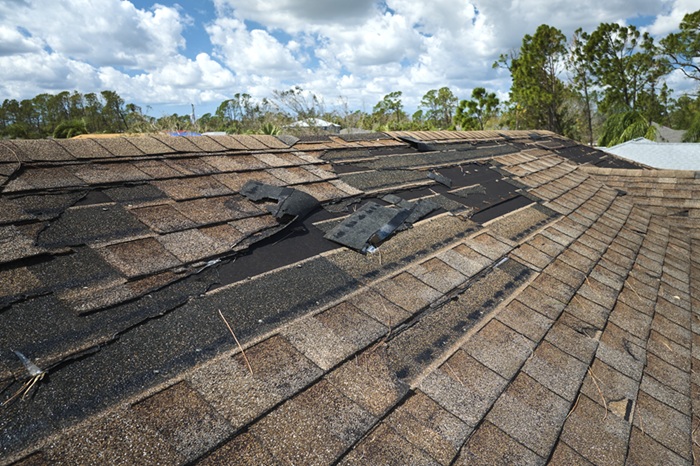
Heat compounds the problem. On a summer afternoon when the outdoor temperature is in the low 90s, a poorly ventilated attic in the Upstate can reach 150 degrees or more. That heat bakes asphalt shingles from the inside out, stripping the oils that keep them flexible. Shingles that should last 25 to 30 years begin showing signs of failure in 15. Granule loss accelerates. Edges start to curl.
Below the shingles, the roof deck absorbs that thermal stress across hundreds of heating and cooling cycles per year. Fasteners work loose, and decking warps. The substrate your roof depends on starts to break down before anyone notices, especially if there is no roof maintenance plan in place.
What Excess Attic Moisture Does Over Time
Heat is damaging enough on its own, but the moisture side of this equation is where the most serious structural problems develop. Excess attic moisture will not dry out on its own. It collects on wood framing, roof decking, and insulation. Given the right conditions, mold follows within 24 to 48 hours of sustained moisture contact.
By the time you see staining on ceiling drywall or smell something musty in an upstairs room, the moisture has already been working on the structure for some time. Remediation at that stage involves more than fixing the ventilation. Wood replacement, mold treatment, and insulation removal are common once the damage has progressed.
Your roof does not need an active leak to accumulate water. Attic moisture problems frequently develop without a single drop of rain coming through the roof. The moisture comes from the air inside the home, rises into the attic, and condenses on cooler surfaces when the attic is not ventilated properly.
Signs Your Roof Ventilation Is Not Working
Some of these are visible from inside the home. Others show up on the roof itself. If you are seeing more than one of these, it is worth having the attic inspected before the season gets any further along.
- Higher cooling bills without a clear cause. When attic heat radiates into the living space, your HVAC system runs longer to compensate. A jump in energy costs during summer months, without any change in usage patterns, is a consistent indicator of attic ventilation problems.
- Shingles curling, cracking, or losing granules faster than expected. If your roof is less than 20 years old and showing these signs, excessive attic heat is one of the first things to rule out.
- Visible mold or staining on attic framing or decking. Dark spots, black streaking, or a musty smell in the attic are direct signs that moisture is not escaping the way it should.
- Hot ceilings or second-floor rooms that are significantly warmer than the rest of the house. Heat migrating down from an overloaded attic affects the rooms directly below it.
- Soffit vents that are blocked, painted over, or missing. Intake vents that cannot draw air in make the exhaust side of the system useless. This is one of the most common ventilation failures we find on older Upstate properties.
How Ventilation Requirements Work in South Carolina
The standard ventilation ratio for most residential roofs is 1 square foot of net free ventilation area for every 150 square feet of attic floor space. If the ventilation is evenly split between intake and exhaust, that ratio can drop to 1 per 300 square feet. South Carolina’s building code follows the International Residential Code on this point, and most shingle manufacturers require compliance with these minimums as a condition of their warranty.
That matters because a ventilation failure can void a manufacturer’s warranty on shingles that are otherwise installed correctly. We review ventilation compliance as part of every roof inspection we do. If a replacement is needed, the new system is designed to meet both code and manufacturer requirements from the start.
Ventilation Options That Work for SC’s Climate
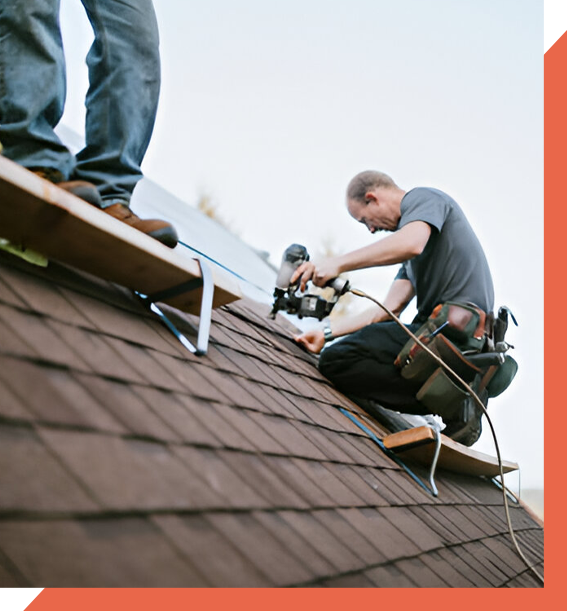
Not every ventilation product is the right fit for every roof. The pitch, the attic layout, and the existing intake setup all factor into what will work. That said, a few systems perform consistently well in humid climate roof ventilation applications across the Upstate.
Ridge vents paired with continuous soffit intake are the most effective passive system for most residential roofs. They run the length of the ridge, provide even exhaust across the full attic, and work without power. For homes with complex rooflines or limited ridge length, hip vents and high-profile ridge cap vents can fill the gap.
Powered attic ventilators are another option, particularly for homes where passive systems cannot move enough volume due to the roof layout. They do require electricity and have more components to maintain, but in roof ventilation for hot climates like ours, they can provide meaningful relief in attics where passive airflow is insufficient.
One important note: mixing ventilation types on the same roof without a clear design plan creates problems. Combining powered fans and passive ridge vents, for example, can cause the powered fan to pull air through the ridge vent rather than out of the attic, short-circuiting the system entirely. Getting the design right matters as much as the equipment itself.
Why This Matters More Here Than in Other Parts of the Country
A poorly ventilated attic in a dry western climate loses heat relatively quickly once outdoor temperatures drop in the evening. In South Carolina, that relief does not come as easily. Summer nights stay warm and humid. The attic does not flush heat and moisture the way it does in lower-humidity regions. The stress on the system is sustained across more hours per day for more months per year.
The Upstate also sees significant storm activity from late spring through early fall. Storm damage on a roof that is already compromised by ventilation failure moves faster. A roof deck weakened by moisture and thermal stress is less able to hold fasteners and resist wind uplift. Two problems that might be manageable separately become a more serious repair when they combine.
The Connection Between Ventilation and Your Energy Bills
An overheated attic does not just damage the roof. It works against the entire cooling system in the house below. Heat radiating down from a 150-degree attic into a finished second floor means your HVAC is fighting two heat sources at once: the outdoor air and the one sitting right above the living space.
Research on balanced attic ventilation systems has found that proper intake and exhaust balance can bring attic temperatures down by 20 to 30 degrees compared to an unbalanced or non-functioning system. On a 95-degree July day in the Upstate, that difference is significant in terms of how hard your air conditioning has to work and for how long it runs each cycle.
The energy savings from addressing a ventilation problem do not recoup the cost of the correction overnight, but they compound over time. A roof that runs cooler and drier also needs less maintenance, holds up longer, and is less likely to require a full replacement ahead of schedule.
Protecting Your Roof Before the Damage Is Done
The best time to deal with a ventilation problem is before it shows up in your shingles or your ceiling. South Carolina’s attic ventilation benefits are most realized when the system is working correctly from the start, not after years of heat and moisture accumulation have already taken a toll.
If you have not had your attic inspected in the last few years, or if your home is more than 15 years old and you have never had the ventilation evaluated, this is worth putting on the schedule. The inspection itself is straightforward. What you find out may not be.
At Cox Bros. Roofing, we serve homeowners throughout Spartanburg and the Upstate. If you want to know what your attic is dealing with before it becomes a repair, schedule an inspection with our team. We will give you a clear picture of where things stand and what, if anything, needs to be addressed.
Your roof does more work in this climate than most people realize. Making sure the ventilation system behind it is up to the task is one of the most practical things you can do for the long-term health of the structure above you. Reach out to our team and let’s take a look.
Protect Your Roof From The Elements
Ensure your ventilation is up to par.