Two roofing estimates can differ by several thousand dollars and still both be fair. They can also look nearly identical while one leaves important parts of the job unclear. The total at the bottom of the page rarely tells the whole story.
A new roof is a significant investment. Knowing what each line means, what is included, and what could increase the final price makes it easier to compare contractors and understand exactly what you are paying for.
Roofing Estimate vs. Quote vs. Contract
These three terms are often used loosely, but they do not always mean the same thing. A roofing estimate generally provides a projected cost based on the contractor’s inspection and anticipated scope of work. A quote typically provides pricing for a more clearly defined scope. The contract is the signed agreement that establishes the project’s scope, price, payment terms, and other responsibilities.
Roofing companies may use “estimate” and “quote” interchangeably, so the terminology matters less than the terms on the document. Before signing, find out whether the price can change, what circumstances could increase it, and how additional work will be approved.
What Should Be Included in a Roofing Estimate?
A good roofing estimate gives you enough detail to understand what work the contractor plans to perform and what materials are included. It should also explain potential additional costs that cannot be determined until work begins.
Here is what to look for when reviewing an estimate.
Materials, Brand, and Product Line
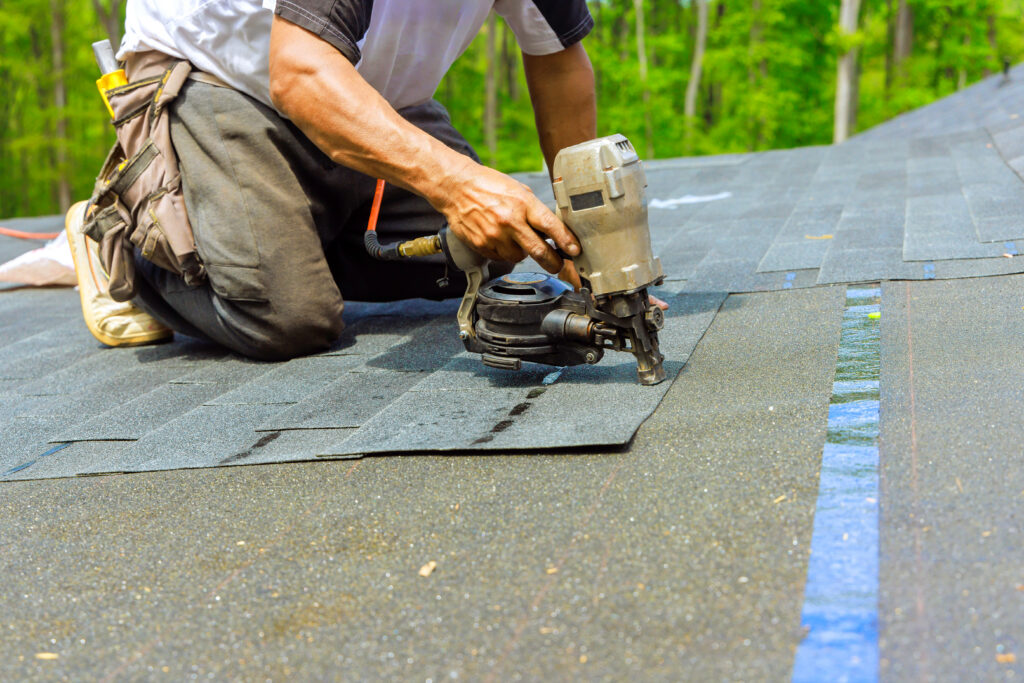
The estimate should identify the primary roofing materials being installed, including the manufacturer and product line when applicable. “Architectural shingles” alone gives you much less information than the name of the actual shingle being quoted. Product specifications, warranty terms, and performance characteristics can vary between roofing products.
Roof size may appear in “squares.” One roofing square equals 100 square feet of roof surface. Estimates may also account for additional material needed for cuts, valleys, hips, edges, and other features. The amount depends on the roof’s design and complexity.
For a metal roof, useful specifications can include the type of metal roofing system, panel profile, gauge, and finish. These details can affect appearance, performance, maintenance requirements, and project cost.
Labor, Tear-Off, and Disposal
The estimate should make it clear whether labor is included in the quoted price. If the existing roof needs to be removed, look for information about tear-off, disposal, and cleanup as well.
It is also worth checking whether the estimate accounts for multiple existing roofing layers, if applicable, and whether dumpster or disposal costs are included. Clarifying these items before work begins reduces the chance of unexpected costs later.
Underlayment, Flashing, and Roofing Components
The visible shingles or metal panels are only part of a complete roofing system. An estimate should also identify the supporting components included in the project and explain what is being replaced, added, or reused.

Depending on the roof and roofing system, those components may include:
- Underlayment
- Ice and water protection where appropriate
- Drip edge
- Starter materials and ridge caps
- Pipe boots and flashing around walls, chimneys, and other penetrations
- Ridge vents or other ventilation components
If an estimate calls for existing flashing or other components to be reused, ask why and whether that approach is appropriate for the new roofing system and manufacturer requirements.
Decking Repairs and Change Orders
The full condition of the roof deck is not always visible until the existing roofing materials are removed. Damaged or deteriorated decking discovered during tear-off can add work and materials to the project.
A detailed estimate should explain how those unexpected repairs are handled. For example, the contractor may establish a price per sheet of replacement decking or explain another method for calculating additional work.
The estimate should also explain how change orders are communicated and approved. Knowing how unforeseen repairs are priced before the project begins gives you a much clearer idea of how the final cost could change.
Warranty Terms: Manufacturer vs. Workmanship
A new roof may come with more than one type of warranty. A manufacturer warranty generally applies to eligible defects in the roofing materials, while a contractor’s workmanship warranty addresses covered problems related to installation.
Because the warranties cover different issues, review both. The estimate or related contract documents should explain the applicable warranty terms, who provides the coverage, and any steps required to maintain it.
Some manufacturer warranty programs also have installer, product, or registration requirements. Ask the contractor which warranties apply to your roof and who is responsible for completing any required registration.
Roofing Estimate Red Flags to Watch For

A roofing estimate should give you enough information to understand the proposed work and ask questions before you commit. Be cautious when an estimate or contractor leaves important details unclear or puts pressure on you to make an immediate decision.
Potential warning signs include:
- A lump-sum price with little explanation of the materials or scope of work
- No business information or willingness to provide proof of required credentials and insurance
- Pressure to sign immediately to secure a price
- Unclear or unusually aggressive upfront payment requirements
- Cash-only payment terms
- Offers to waive or absorb an insurance deductible
- No explanation of cleanup, warranties, or permitting responsibilities
In South Carolina, roofing falls within the state’s residential specialty contractor classifications. Homeowners can verify applicable contractor credentials through the South Carolina Department of Labor, Licensing and Regulation before signing an agreement. It is also reasonable to ask for current proof of insurance and clarify what coverage applies to the project.
Understand Your Cancellation Rights
Some roofing contracts signed at a homeowner’s residence may fall under the Federal Trade Commission’s Cooling-Off Rule. For covered transactions, consumers generally have three business days to cancel the sale.
However, the rule does not apply to every contract or every home repair transaction. If it applies to your roofing contract, the seller must provide information about your cancellation rights and the required cancellation forms. The FTC explains the rule, its requirements, and its exceptions in its Cooling-Off Rule guidance.
Before signing a roofing contract at your home, read the cancellation provisions carefully and keep copies of everything you sign.
How to Compare Roofing Estimates Side by Side
The lowest total is not necessarily the best value. Two roofing estimates are easier to compare when they cover a similar scope of work and comparable materials. A lower price can sometimes reflect differences in materials, installation details, warranties, or work that another contractor included.
Use this roofing estimate checklist when comparing bids:
- Compare the roof measurements and ask about any significant differences
- Identify the shingle, metal panel, or other roofing products being quoted
- Check what each estimate includes for tear-off, disposal, and cleanup
- Compare underlayment, flashing, ventilation, and other roofing components
- Determine how unexpected decking repairs and other change orders are priced
- Compare both manufacturer and workmanship warranty terms
- Review deposits, payment schedules, and other payment terms
Once you understand the scope of each proposal, the price comparison becomes much more meaningful. If one estimate is substantially lower, ask what accounts for the difference. A roofing contractor should be able to explain what is and is not included in the proposed price.
Questions to Ask Before Signing a Roofing Contract
A few direct questions can tell you a lot about what to expect once the roofing project begins. Our guide on how to choose a roofing contractor covers the broader hiring process. When reviewing an estimate and contract, consider asking:

- Will the work be completed by employees, subcontractors, or a combination of both?
- Who handles permits when they are required?
- What happens if damaged decking or other hidden problems are discovered?
- How will landscaping, gutters, siding, and other areas around the home be protected?
- What is the payment schedule, and when is final payment due?
- What manufacturer and workmanship warranties apply?
- Who handles any required manufacturer warranty registration?
Make sure important commitments involving price, scope, cleanup, warranties, and other project responsibilities are included in the written agreement. If something matters to your decision, do not rely solely on a verbal promise.
What a Good Roofing Estimate Process Looks Like
Learning how to read a roofing estimate makes it easier to compare the work being proposed instead of looking only at the final price. A detailed estimate should give you a clear picture of the materials, scope of work, potential additional costs, warranties, and payment terms before you sign.
This becomes especially important after major storms, when homeowners may hear from contractors they have never worked with before. Take the time to verify the contractor’s credentials, understand the proposed work, and ask questions about anything that is unclear.
Cox Bros Roofing is a veteran-owned, family-operated roofing company based in Roebuck and serving homeowners throughout Upstate South Carolina. If you are considering a roof replacement, our team can inspect your roof, discuss the work it needs, and provide an estimate for your project.
Get a Clear Picture Before Your Roofing Project Begins
Cox Bros Roofing can inspect your roof, explain your options, and provide an estimate based on what your property actually needs.
Request An Estimate