
A roof can develop problems long before a leak appears on the ceiling. Missing or damaged shingles, deteriorated flashing, clogged gutters, and moisture in the attic can all provide early clues that a roofing system needs attention.
Homeowners can perform a basic visual check between professional visits, but a DIY inspection should stay firmly on the ground or inside the home. You do not need to climb onto the roof to identify many common warning signs.
For homeowners in South Carolina, regular visual checks can be especially useful after periods of heavy rain, strong winds, hail, or other severe weather. Between professional visits from Cox Bros Roofing, homeowners can use a simple visual inspection to keep an eye out for changes or signs of potential roof damage.

Start With Safety: Do Not Climb Onto the Roof
The safest roof inspection for most homeowners is one performed from the ground, from windows or upper-level vantage points, and from inside the attic when it can be accessed safely.
Do not walk on shingles, climb onto a steep roof, or use a ladder to reach the roof simply to get a closer look. Wet surfaces, loose roofing materials, steep slopes, and damaged areas can create serious fall hazards. OSHA’s roof inspection guidance also identifies improper ladder use as a potential hazard and recommends stable ladder placement, appropriate setup, and other precautions for work at height.
A homeowner’s inspection is meant to identify signs that deserve further attention, not to replace a professional roof inspection.
Before beginning, make sure:
- The ground around the home is dry and reasonably clear.
- You can see the roof from a safe location.
- You have adequate daylight.
- You do not need to climb a ladder to inspect the roof.
- You stay away from damaged trees, exposed wiring, or other storm hazards.
If the roof cannot be safely viewed from the ground, leave that portion of the inspection to a roofing professional.
DIY Roof Inspection Checklist: What to Look For
Use the following roof inspection checklist for homeowners every few months and after significant weather. You can also take photographs of anything that looks different from previous inspections. Comparing photos over time can help you recognize gradual changes.
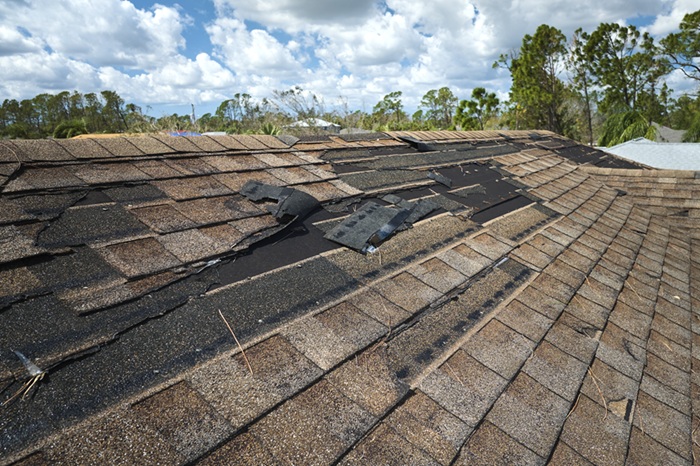
1. Check the Shingles From the Ground
Look across the roof for shingles that appear:
- Missing
- Lifted or displaced
- Cracked
- Curling at the edges
- Buckled or warped
- Noticeably darker or damaged
- Covered with excessive amounts of granules
You may also notice areas where the roof appears uneven or where a section looks different from the surrounding shingles.
Do not assume that one missing shingle is the only problem. Wind and hail can affect nearby roofing materials as well, and some damage may not be obvious from the ground.
Missing or curling shingles are among the signs that can indicate a roof may need further evaluation.
2. Look at Flashing Around Roof Penetrations
Flashing helps direct water away from vulnerable areas where the roof meets another surface or where something passes through the roofing system.
From the ground, look around areas such as:
- Chimneys
- Plumbing vents
- Skylights
- Roof-to-wall intersections
- Valleys
- Other visible roof penetrations
You may not be able to see the flashing itself clearly, but gaps, lifted materials, rusting components, or obvious separation can warrant a professional inspection.
Flashing problems can be particularly difficult to diagnose from inside the home because water can travel beneath roofing materials before appearing as an interior stain.

3. Inspect the Gutters and Downspouts
Gutters are part of the home’s overall water-management system, so they belong on any home roof inspection checklist.
Look for:
- Excessive shingle granules in gutters
- Leaves and debris blocking water flow
- Sagging gutter sections
- Detached or loose gutters
- Downspouts that appear blocked
- Water overflowing during rain
- Water pooling near the home’s foundation
A small amount of debris is normal, particularly after storms or during periods when trees shed heavily. Persistent buildup or poor drainage deserves attention because water needs a clear path away from the roof and home.
Roof drain and gutter clogs are maintenance concerns that can contribute to roofing problems.
4. Check for Sagging or Uneven Areas
Step back from the house and look along the roofline.
A roof that appears to sag, dip, or develop an unusual low spot should not be ignored. Sagging can indicate a problem involving the roof deck, framing, moisture, or another structural component.
This is one of the situations where a homeowner should stop the inspection and contact a roofing professional rather than attempting to determine the cause independently.
5. Look for Debris and Storm Damage
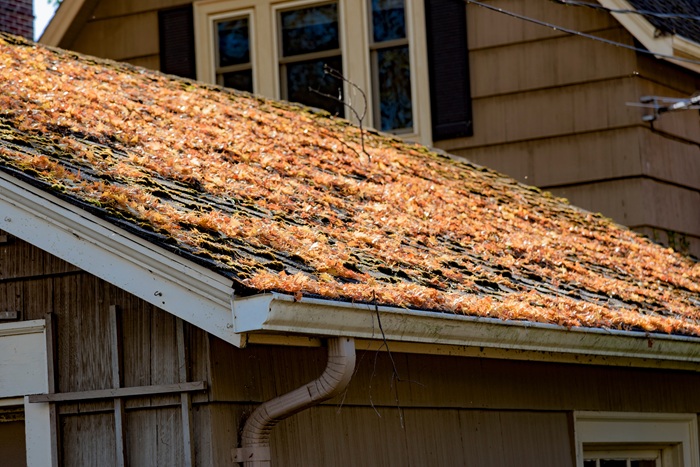
After a South Carolina storm, inspect the property from the ground for fallen branches, leaves, damaged roofing materials, and other debris.
Pay particular attention to:
- Missing shingles
- Broken or displaced shingles
- Visible dents
- Damaged flashing
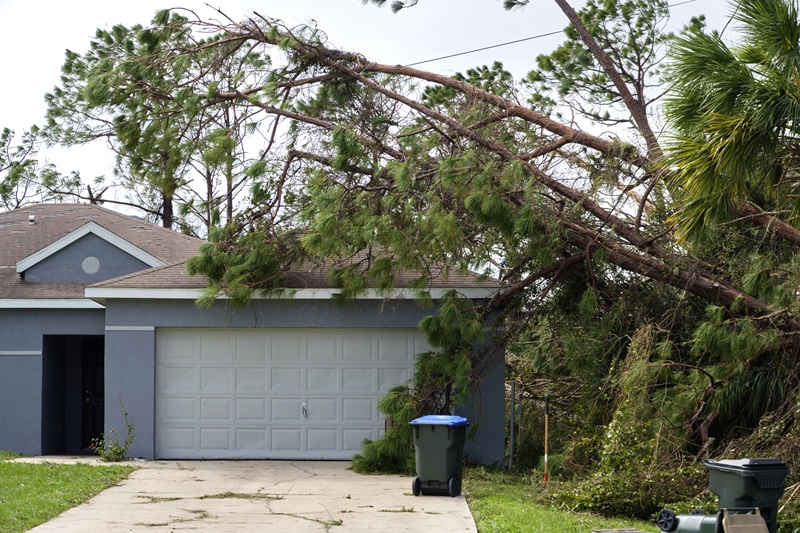
- Tree limbs resting against the roof
- Debris collected in roof valleys or gutters
- New stains inside the home
Storm damage is not always dramatic. Wind can loosen roofing materials without completely removing them, while hail may leave damage that is difficult to see from a distance.
If a storm has recently passed through your area and you suspect damage, a professional South Carolina roof inspection can provide a more complete evaluation without requiring you to climb onto the roof.
Check the Attic for Moisture and Water Intrusion
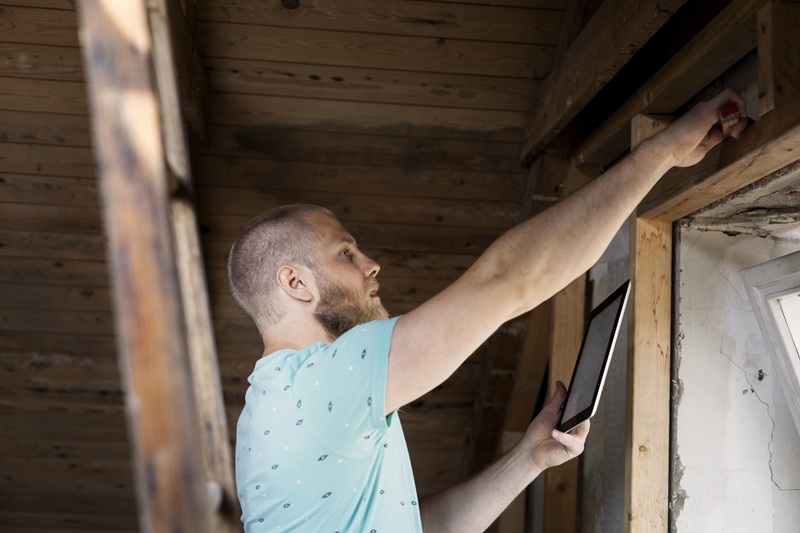
The attic can reveal problems that are difficult to spot from outside.
Only enter the attic if it can be accessed safely. Once inside, look for:
- Water stains on the underside of the roof deck
- Damp or discolored insulation
- Dark staining around roof penetrations
- Signs of active dripping
- Musty odors
- Condensation
- Damp wood
- Daylight coming through areas where it should not be visible
A water stain does not necessarily mean the roof is leaking directly above that exact location. Water can travel along roofing materials, decking, framing, or other components before reaching the interior.
Moisture in an attic can also have causes beyond a roof leak. The EPA explains that moisture management and proper air sealing are important for reducing condensation and related problems in attic spaces.
Check Ceilings and Interior Walls for Stains
Your roof inspection should continue inside the living space.
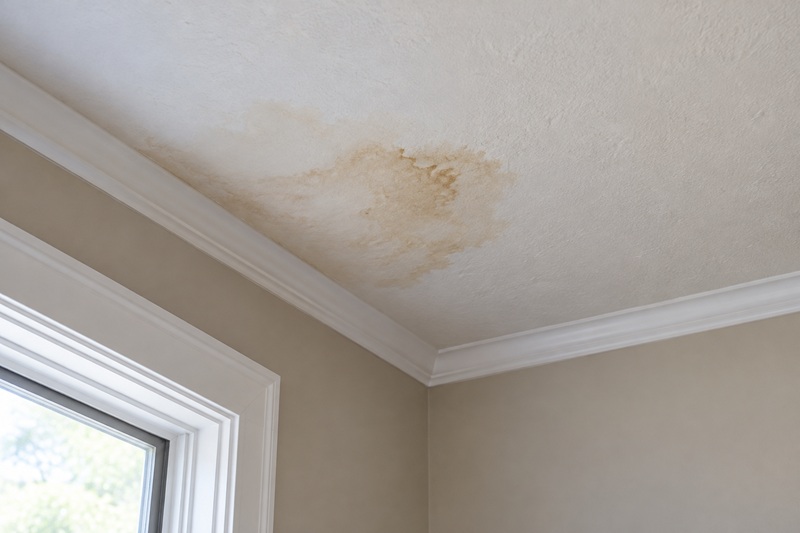
Walk through rooms beneath the roof and look at ceilings and upper walls for:
- Brown or yellow water stains
- Fresh discoloration
- Peeling paint
- Bubbling or damaged drywall
- Damp spots
- Mold-like growth
- Recurring stains after rain
Pay attention to areas around chimneys, skylights, bathrooms, and other roof penetrations.
A ceiling stain can have several possible causes, including plumbing or condensation, so it should not automatically be assumed to be a roofing problem. However, a new stain that appears after rain is a good reason to investigate promptly.
When Should You Call a Roofer?
A DIY inspection is useful for spotting warning signs, but some conditions require professional attention.
Contact a roofer when you notice:
- Missing or significantly damaged shingles
- A sagging roofline or roof deck
- Repeated ceiling or attic water stains
- Active water intrusion
- Damaged or separated flashing
- Significant storm or hail damage
- Tree damage
- Large areas of visible wear
- Persistent gutter or drainage problems
- Damage you cannot safely evaluate from the ground
When a roof shows signs of storm damage, leaks, or significant wear, a professional inspection can help determine the condition of the roofing system and whether repairs or other work may be needed. Cox Bros Roofing provides residential roofing services in South Carolina, including inspections, repairs, maintenance, and storm-related work.
How Often Should Homeowners Inspect a Roof?
There is no single schedule that fits every home. A practical approach is to perform a visual inspection periodically and add an additional check after significant weather.
For South Carolina homeowners, it makes sense to pay closer attention after:
- High winds
- Hail
- Heavy rainfall
- Severe thunderstorms
- Fallen branches
- Other events that could have affected the roof
A visual check between professional visits can help homeowners notice changes sooner. It should complement, rather than replace, periodic professional evaluations.
Keep a Simple Roof Inspection Record
One useful addition to a regular roof maintenance tips routine is keeping a basic record of what you see.
After each visual inspection, note:
- Date of inspection
- Recent weather conditions
- Visible shingle changes
- Gutter or drainage concerns
- Interior stains or moisture
- Attic observations
- Photos of areas that look different
This creates a reference point for future inspections. If a small change becomes more noticeable over several months, those records can also give a roofing professional useful context when evaluating the roof.
The goal is not to turn homeowners into roof inspectors. It is to help them recognize when something has changed and respond before a small concern develops into a larger problem.
Know When to Stop the DIY Inspection
A homeowner’s roof inspection should never involve taking unnecessary risks.
If you cannot safely see an area from the ground, leave it alone. Do not walk across shingles to investigate a suspected problem, and do not climb onto a damaged roof after a storm. A roof can look stable while hiding loose materials, structural damage, or wet surfaces.
For South Carolina homeowners, that caution is especially relevant after severe weather. A safe visual inspection can tell you when something appears wrong. A professional inspection can determine what is actually happening and what, if anything, needs to be done.
If your checklist turns up missing shingles, water intrusion, storm damage, or another concern, schedule a professional roof inspection with Cox Bros Roofing so the condition can be evaluated safely, and the appropriate next step can be identified
Keep Your Roof In Shape
Contact Cox Bros Roofing for an inspection if you believe your roof may need repairs.
Schedule With Cox Bros