
A cracked seal around a plumbing vent or a small area of damaged flashing may seem minor. Left unaddressed, however, a small opening can allow water to reach the roof deck, insulation, or even the ceiling below. What starts as a limited repair can become a much larger project once moisture spreads.
Roofs also do not always develop problems all at once. Loose materials, clogged drainage areas, deteriorating seals, and storm damage can worsen gradually without being obvious from the ground. Regular roof maintenance helps catch those problems while they are still easier to address.
Why Upstate Roofs Need Regular Roof Maintenance
Upstate South Carolina roofs deal with heat, humidity, heavy rain, tree debris, and seasonal storms throughout the year. Those conditions make regular roof maintenance particularly valuable for catching developing problems and keeping water moving where it should.
Humidity, Algae, and Trapped Moisture
Warm, humid conditions can contribute to algae and other organic growth on roofing surfaces. The dark streaks commonly seen on asphalt shingles are often associated with algae and may primarily be an appearance concern. Moss can be more problematic because it retains moisture and can interfere with roofing materials as it grows.
Moisture can also become a concern inside the attic. Ventilation is one part of controlling heat and moisture in the roof assembly, along with factors such as insulation and air sealing. Proper roof ventilation helps move air through the attic and can reduce conditions that contribute to moisture problems.
Pollen, Pine Needles, and Debris
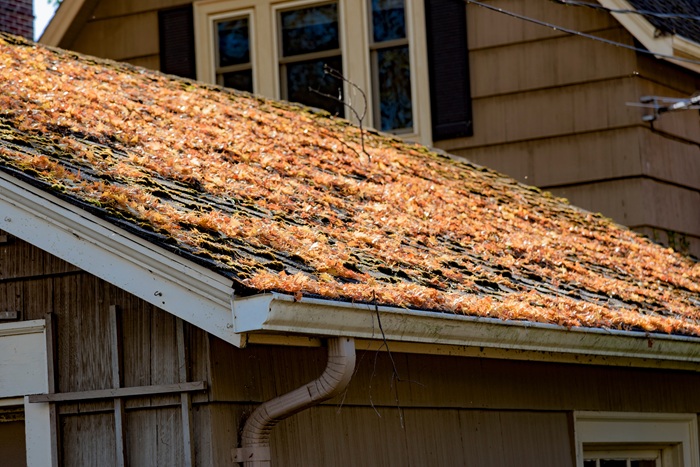
Upstate homeowners are familiar with the yellow pollen that arrives each spring. Pollen, pine needles, leaves, and other debris can collect in gutters, valleys, and other drainage areas of the roof.
When gutters and downspouts become clogged, rainwater cannot drain away from the home as effectively. Persistent overflow can contribute to problems around fascia, soffits, siding, foundations, and other areas where water is not supposed to collect. Keeping roof drainage areas clear is a simple but important part of routine maintenance.
Seasonal Storms and Falling Limbs
Thunderstorms, high winds, hail, and falling tree limbs can all affect a roof. Some storm damage is easy to spot, such as missing shingles or a fallen branch. Other problems may not be obvious from the ground.
After significant weather, homeowners should look for visible changes to the roof and signs of water intrusion inside the home. If there is reason to suspect damage, a closer professional inspection can identify problems that are difficult to evaluate safely from the ground.
| Small Roof Issue | What Can Happen if It Goes Unaddressed | Potentially Affected Areas |
|---|---|---|
| Damaged flashing | Water can enter around roof joints or penetrations | Underlayment, decking, attic |
| Deteriorated pipe boot | Water can enter around the plumbing vent | Decking, insulation, ceiling |
| Clogged gutters | Water can overflow instead of draining away | Fascia, soffits, siding |
| Loose or damaged shingles | Repeated weather exposure can allow moisture beneath the roofing | Underlayment, decking |
| Debris in roof valleys | Water may drain more slowly or collect around roofing materials | Shingles, flashing, decking |
| Overhanging or damaged limbs | Branches can scrape roofing or cause impact damage | Shingles, panels, flashing |
How Skipped Roof Maintenance Leads to Bigger Repairs
The cost of deferred roof maintenance does not always show up right away. A small opening or drainage problem can remain unnoticed until water has affected more than the original trouble spot.

For example, a problem around flashing can progress like this:
- Damaged or loose flashing allows water into part of the roofing system
- Repeated moisture begins affecting the underlayment or roof decking
- Damaged decking may require replacement when the roof is repaired
- If water travels farther, insulation or interior ceilings and walls may also be affected
- Persistent moisture can create conditions where mold or additional deterioration becomes a concern
Not every leak follows the same path, but the principle is straightforward: the farther water travels, the more materials may become involved in the repair. Clogged gutters can create a similar problem when repeated overflow contributes to deterioration around fascia, soffits, siding, or other parts of the home.
This is also why periodically checking your roof for visible signs of damage can be useful between professional inspections. Problems noticed early are generally easier to evaluate before water damage spreads beyond the original area.
Roof Repair Costs vs. Roof Replacement Costs
There is no single useful average for comparing a roof repair with a complete replacement. Costs depend on the roofing material, size and location of the damage, accessibility, labor involved, and whether water has affected decking or other parts of the home.
The more useful comparison is the scope of the work. Replacing a deteriorated pipe boot or repairing a limited area of flashing involves a very different project than replacing damaged decking and repairing water-damaged materials inside the home.
Regular maintenance cannot prevent every roof repair or guarantee that a roof will last a certain number of years. It can, however, help identify developing problems before they involve additional parts of the roofing system or building.
Skipped Maintenance Can Affect Your Roof Warranty
Roofing warranties do not provide unlimited coverage for every problem that develops. Manufacturer warranties generally focus on covered defects in roofing products, while workmanship warranties address certain installation-related issues. Maintenance requirements and exclusions vary by manufacturer, roofing system, and warranty.
Some warranties require property owners to maintain the roof, address damage promptly, document repairs, or follow specific inspection requirements. Commercial roofing warranties may have particularly detailed maintenance and documentation requirements.
Review the warranty for your specific roofing system rather than assuming a particular inspection schedule applies to every roof. If you are unsure what is required, ask the roofing contractor or manufacturer to explain the maintenance provisions and any steps needed to keep the warranty in effect.
Documentation is valuable as well. Keep inspection reports, photographs, roof maintenance records, and repair invoices together. If a warranty question arises later, those records can help establish what work was performed and when.
How Often Should a Roof Be Inspected?
There is no single inspection schedule that applies to every roof. The right frequency depends on the roof’s age, material, condition, warranty requirements, surrounding trees, and exposure to severe weather.
Homeowners should keep an eye on their roofs throughout the year and after significant storms. Missing or damaged shingles, debris buildup, overflowing gutters, interior water stains, and other visible changes can signal that a closer inspection is needed. A professional inspection can also make sense when the roof is aging, a leak develops, storm damage is suspected, or maintenance is due.
In the Upstate, spring and fall are useful times to pay attention to roof conditions because pollen, leaves, pine needles, thunderstorms, and other seasonal conditions can affect the roof and its drainage system. Commercial properties may follow more formal inspection and maintenance schedules based on the roofing system and warranty. Our guide explains how often a commercial roof should be inspected in more detail.
A Practical Roof Maintenance Checklist
Roof maintenance involves more than looking for missing shingles from the driveway. Depending on the roofing system and property, areas worth checking include:
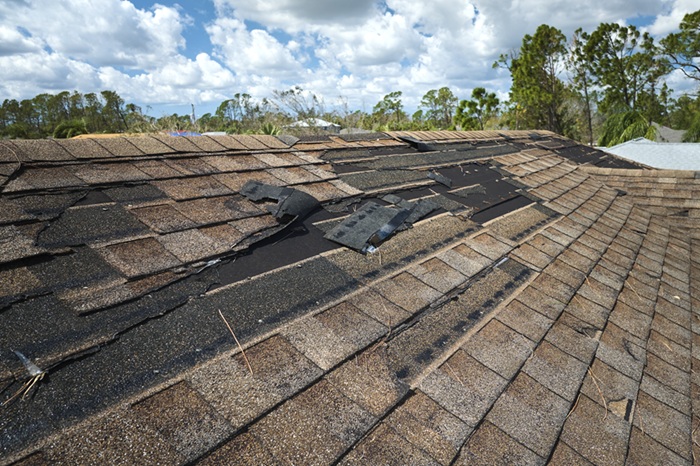
- Shingles or panels for visible damage, movement, or missing materials
- Flashing around chimneys, walls, skylights, and other roof penetrations
- Pipe boots and other seals for deterioration
- Exposed fasteners or other components that appear loose or damaged
- Gutters, downspouts, valleys, and other drainage areas for debris
- Attic areas for signs of moisture or water intrusion
- Moss or other unwanted growth on roofing surfaces
- Overhanging or damaged tree limbs that could affect the roof
Keeping photographs and notes from inspections and repairs can also create a useful maintenance history. Over time, those records make it easier to identify recurring problems and understand how the roof’s condition is changing.
Homeowners can handle some observations safely from the ground, but climbing onto a roof introduces fall and injury risks.
Roof Maintenance Benefits Over the Long Term
Regular maintenance cannot guarantee a particular roof lifespan, but it can help property owners identify developing problems before they affect a larger area. Keeping gutters and drainage areas clear, addressing damaged roofing components, and responding to signs of water intrusion can all help protect the roof and the structure beneath it.
Maintenance records also provide a clearer history of the roof. Instead of waiting until a leak appears to determine what has been happening, homeowners and contractors can look at previous inspections and repairs when evaluating a new problem.
Roof Repair vs. Roof Replacement Decisions
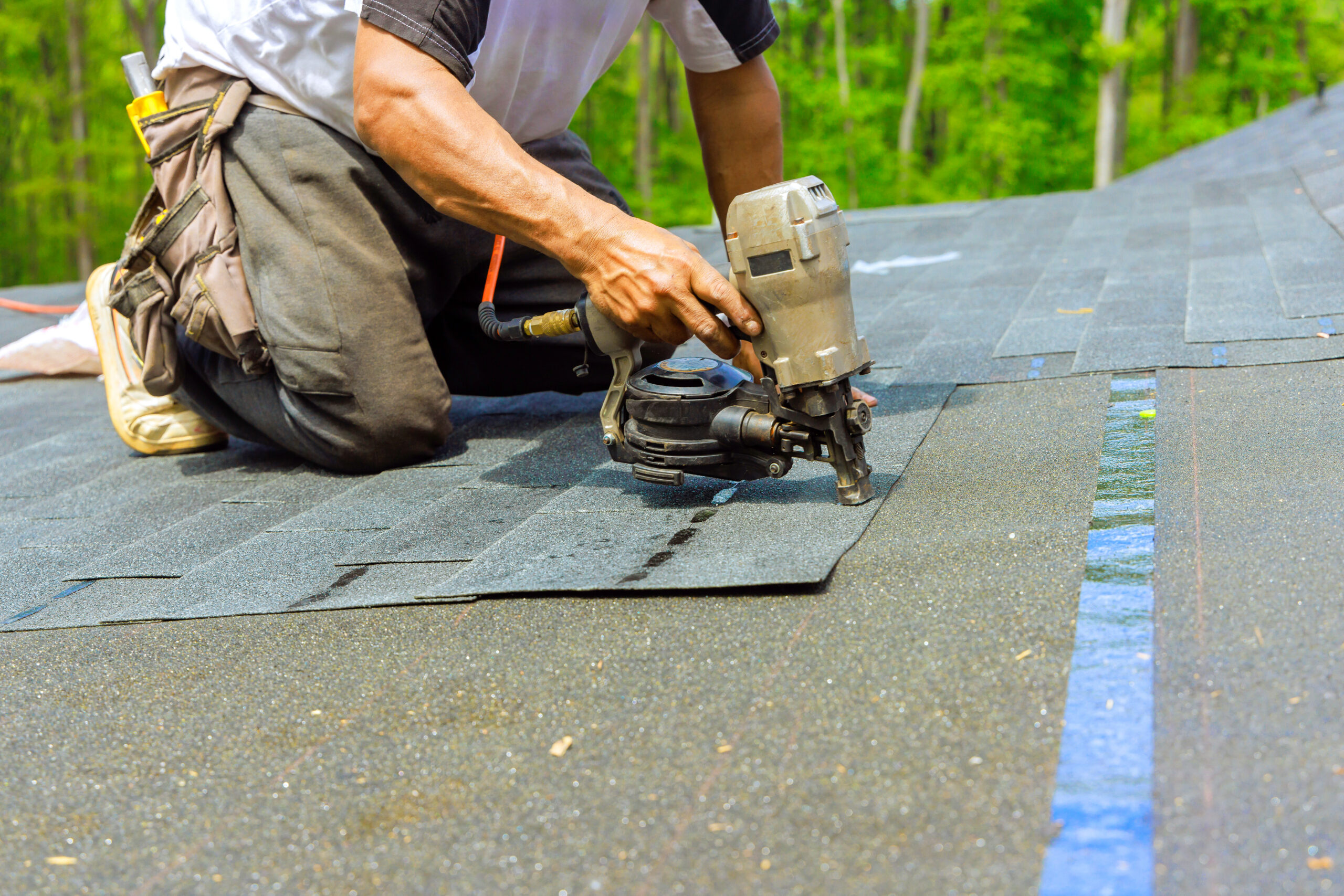
Regular inspections can provide useful context when roof problems develop. A limited issue with flashing or another component may call for a targeted repair, while widespread deterioration or recurring problems can point toward a larger project.
The roof’s age, overall condition, extent of damage, roofing material, and repair history can all factor into the decision. For commercial property owners, our guide to commercial roof repair vs. replacement explains those considerations in more detail.
Make Roof Maintenance Part of Property Care
Roof maintenance is easier to manage when it becomes part of regular property care rather than something that only happens after a leak. Periodically checking the roof and drainage system, responding to storm damage, and addressing small problems when they appear can help prevent a limited issue from spreading into additional materials.
Cox Bros Roofing provides residential roof maintenance for homeowners and commercial roof maintenance for businesses in the Upstate. Our team can evaluate the condition of your roof, identify areas that need attention, and recommend appropriate next steps based on what we find.
Give Your Roof the Attention It Needs
Cox Bros Roofing can inspect your roof, identify developing concerns, and recommend maintenance or repairs based on its current condition.
Schedule Your Inspection