
When a tree falls on a roof, the first priority is not figuring out how much the repair will cost. It is making sure everyone is safe and preventing additional damage.
A fallen tree can break through shingles, decking, rafters, ceilings, and other parts of a home. Even when the exterior damage looks limited, the impact can create structural problems or openings where rain can enter. Cox Bros Roofing provides roof repair and emergency services for storm-related and tree damage across South Carolina.
Here is what to do after a tree falls on your roof.
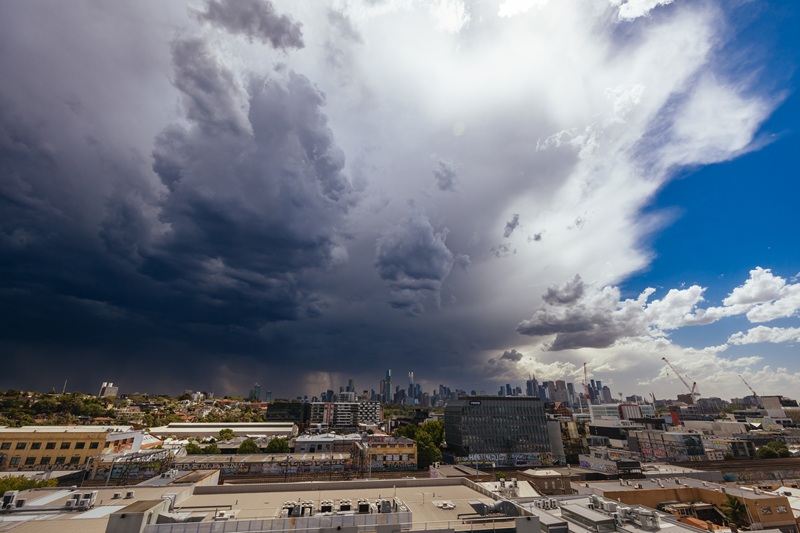
1. Get Everyone Away From the Damaged Area
Leave the area directly beneath the fallen tree and any visibly damaged portion of the roof. If the impact has caused a sagging ceiling, cracked walls, broken windows, or other signs of structural damage, move everyone to a safer part of the house or leave the property if necessary.
Do not climb onto the roof to inspect the damage. A tree resting on a roof can place unusual weight on the structure. Broken branches may also be unstable, and portions of the roof may no longer support a person’s weight.
If the tree has brought down a power line, stay away from the tree, branches, wires, and nearby metal objects. Do not assume a fallen electrical line is safe because there are no sparks.
The South Carolina Office of Regulatory Staff warns that energized tree limbs can create an electrical shock hazard. Contact the utility before working around trees near power lines.
If you smell gas, see sparks, or suspect another immediate hazard, leave the property. Contact the appropriate emergency service or utility provider.
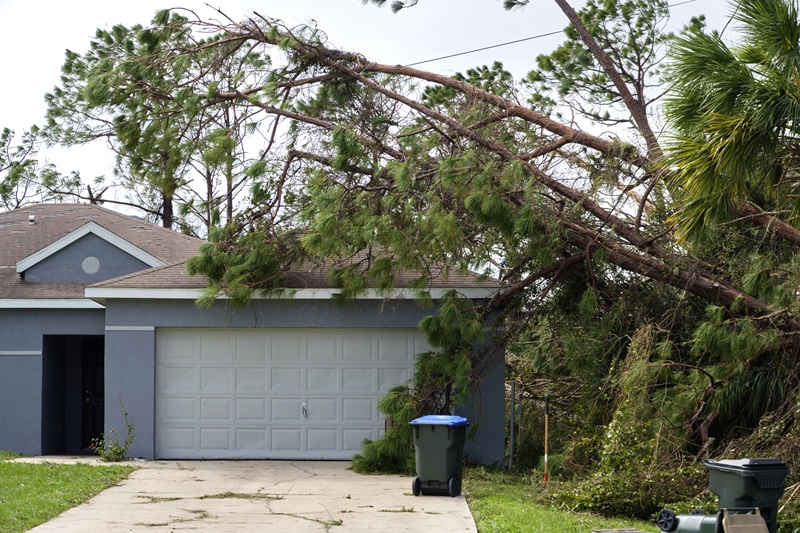
2. Look for Immediate Hazards Before You Start Cleaning Up
Once everyone is safe, look for additional hazards from a safe location. You may notice:
- Water entering through the roof
- Sagging or damaged ceilings and walls
- Exposed electrical wiring or broken glass
- Large branches or debris resting on the roof
- A sagging roof section or visible framing damage
- Standing water inside the home
Do not move heavy branches or structural debris just to get a better view. A fallen tree can change how weight is distributed across the roof, and moving one section may cause another to shift unexpectedly.
Leave tree removal and unstable debris in place until they can be handled safely.
3. Document the Roof Damage From a Safe Location
If conditions are safe, take photos and videos before cleanup or repairs begin.
Photograph the damage from several angles, including:
- The entire tree and the portion resting on the home
- The damaged roof area
- Missing or displaced shingles
- Holes or punctures in the roof
- Damaged gutters, flashing, or vents
- Interior ceiling or wall damage
- Water entering the home
- Fallen branches and surrounding property damage
You do not need to climb onto the roof to get useful documentation. Photos taken from the ground, windows, or another safe location can still establish what happened.
Keep the original photos and note approximately when the tree fell. If water enters later, record when you first notice the leak or interior damage.
The South Carolina Department of Insurance recommends photographing storm damage and keeping photos and receipts as part of the recovery and insurance process.
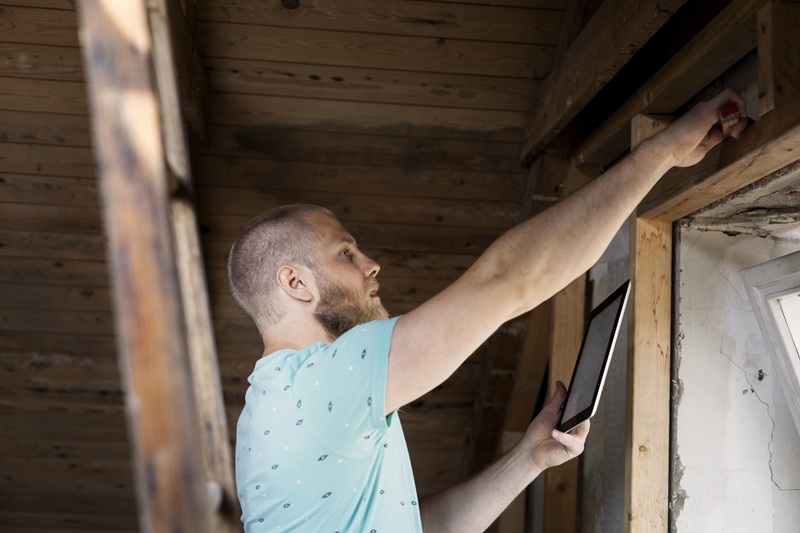
4. Contact Your Homeowners Insurance Company
If the tree caused significant damage, contact your insurance company or agent and report the loss according to your policy’s requirements.
Ask what documentation they need and whether an adjuster should inspect the property before permanent repairs begin. Coverage varies by policy and circumstances, so do not assume every tree-related repair will be covered.
Keep copies of:
- Your claim number
- Photos and videos
- Receipts for emergency mitigation
- Contractor estimates and inspection reports
- Correspondence with your insurance company
The South Carolina Department of Insurance recommends notifying your insurer, documenting storm damage, and taking reasonable steps to prevent additional damage when it is safe to do so.

5. Prevent Further Water Damage If It Is Safe
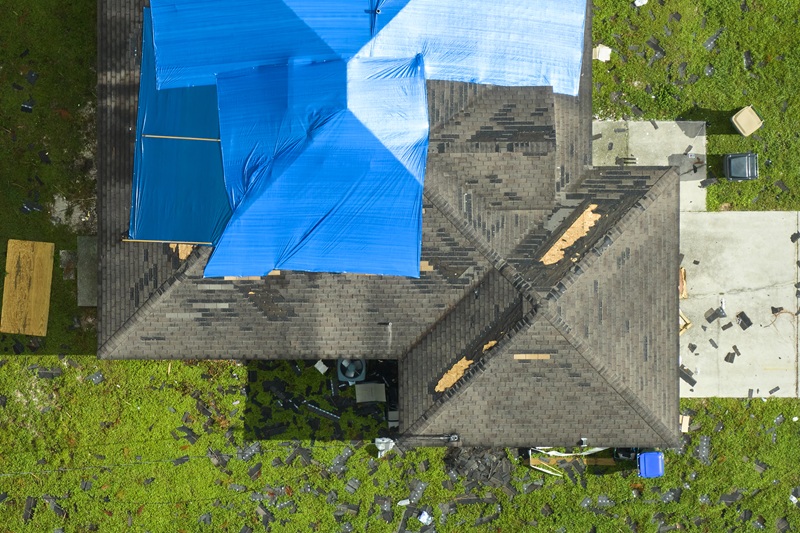
A hole in the roof can allow rain to reach insulation, decking, framing, drywall, and other interior materials. Temporary protection may be necessary if the roof is exposed, but homeowners should not climb onto a damaged roof to install a tarp.
A qualified professional can install temporary protection to help limit water intrusion until permanent repairs are completed. A tarp does not repair damaged decking, shingles, flashing, framing, or other roofing components.
If water is already entering the home, place containers under active leaks when practical. Move furniture, electronics, and other belongings away from the affected area.
Do not touch electrical equipment that has been exposed to water.
6. Do Not Remove the Tree Yourself
A tree that has landed on a roof presents different hazards from an ordinary fallen tree in a yard. Branches may be under tension, the trunk may be unstable, and the tree can shift as sections are cut.
Chainsaw work becomes especially hazardous around damaged structures, electrical lines, unstable branches, and elevated surfaces. South Carolina OSHA’s storm-cleanup guidance warns about these hazards and advises people to work within their training and skill level.
The South Carolina Department of Public Health also recommends using a professional service to remove large uprooted trees after storms.
Tree removal and roof repair are different jobs. A tree service may need to safely remove the tree before a roofing contractor can fully assess and repair the roof.
7. Have the Roof Inspected for Hidden Damage
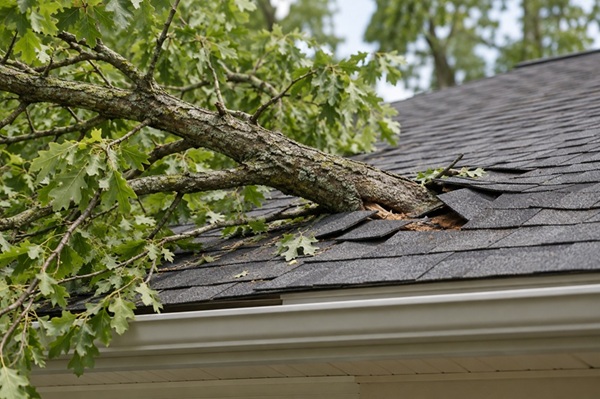
Visible damage is only part of the problem after a tree hits a house. The impact can damage shingles, underlayment, decking, flashing, and structural framing beneath the surface.
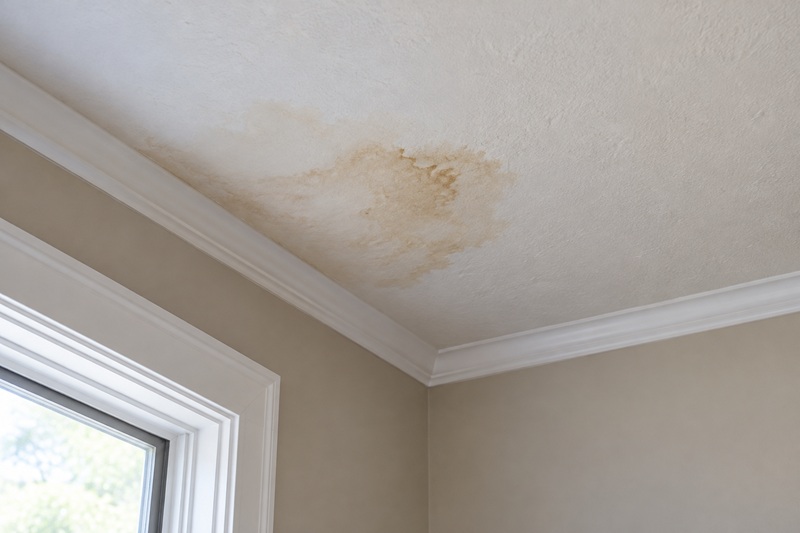
Water can also travel away from the original opening before appearing inside. A ceiling stain several feet from the impact point does not necessarily mean the leak started directly above it. Water may move along decking or framing before reaching the ceiling.
Depending on the situation, a roofing inspection may look for:
- Damaged or displaced shingles and underlayment
- Broken or weakened decking
- Damaged flashing, vents, or roof penetrations
- Signs of water intrusion
- Structural concerns
- Damage around adjoining roof sections
The inspection should determine the full extent of the damage rather than focus only on the obvious impact point. This helps identify whether the home needs a targeted roof repair or more extensive work.
8. Schedule Roof Repair After the Property Is Safe
Once the tree and other immediate hazards have been addressed, the necessary roof repairs will depend on what the inspection finds.
Damage may be relatively localized if the tree affected only a small portion of the roof. More extensive impacts can require replacement of decking, framing, shingles, flashing, or other components.
For homeowners dealing with storm-related roof damage, inspection documentation can also provide useful information when discussing the damage with an insurance carrier.
Do not assume the roof is fine simply because the house is no longer leaking. Damaged shingles, flashing, decking, or other materials can leave the roof vulnerable during the next rainfall.
Check for Storm Damage Beyond the Fallen Tree
South Carolina homeowners may deal with fallen trees after thunderstorms, high winds, hurricanes, tornadoes, and other severe weather.
When a tree falls during a storm, the roof may have damage beyond the immediate impact point. Wind can loosen or remove shingles, damage flashing, or create openings elsewhere on the roof.
A post-storm inspection should therefore consider the roof as a complete system. Homeowners can also learn more about spotting wind damage on a roof.
When a Tree Damages Your Roof, Safety Comes First
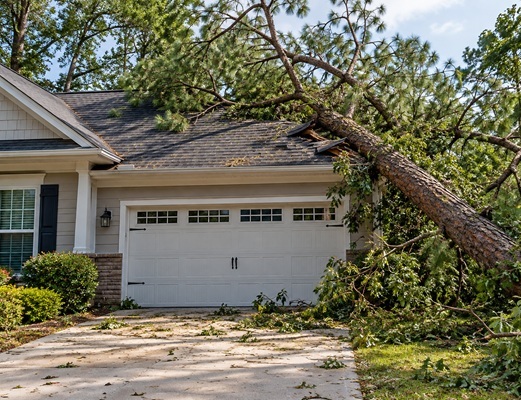
A fallen tree can affect the roof, structure, electrical system, and interior of a home. Get everyone away from immediate hazards and leave unstable trees, debris, and roofing materials to qualified professionals.
Once the property is safe, Cox Bros Roofing can inspect the roof for visible and hidden damage. Our team identifies what the impact affected and explains whether the roof needs targeted repairs or more extensive work.
Do not wait for the next rainfall to reveal damage that was easy to miss. If a tree has struck your home, schedule a roof inspection with Cox Bros Roofing and get a clear assessment of what needs attention.
Get Expert Help For Your Roof
From repairs to full roof replacements, Cox Bros Roofing has you covered.
Reach Out Today